
Dental Abscess: Why That Throbbing Pain Demands Immediate Care

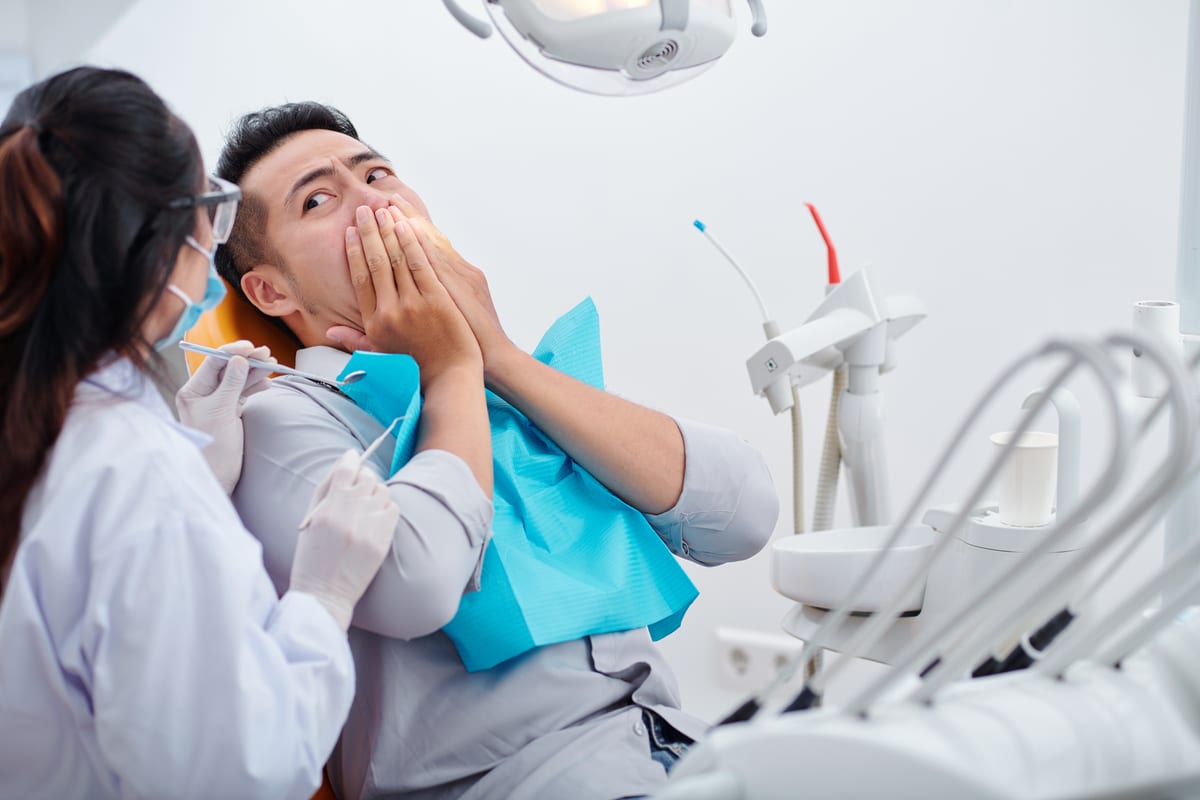
That relentless, throbbing pain in your jaw is trying to tell you something important. A dental abscess is not just a bad toothache — it is a serious bacterial infection. Understanding why a dental abscess demands immediate care in Airway Heights could protect your health and even save your life. At Dr. C Family Dentistry, Dr. Danny Snyder and our team want every patient to recognize the signs and act quickly.
What Is a Dental Abscess and What Does It Feel Like?
A dental abscess is a pocket of pus caused by a bacterial infection. It can form at the tip of a tooth’s root or in the surrounding gum tissue. The infection typically starts inside the tooth, in the gums, or in the bone that supports the teeth.
The sensation is hard to ignore once it begins. Most patients describe an intense, throbbing pain that pulses without stopping. The pain can radiate into your jaw, ear, or neck on the affected side.
Other common symptoms include:
- Severe, persistent toothache
- Sensitivity to hot and cold temperatures
- Swelling in your cheek, face, or neck
- Fever and general feeling of illness
- Tender, swollen lymph nodes under your jaw
- A bad taste in your mouth from draining pus
- Difficulty swallowing or opening your mouth
Some patients notice a small bump on their gum that looks like a pimple. This is called a fistula, and it signals that infection is actively draining. Even if the pain temporarily eases when a fistula forms, the infection is still present and dangerous.
Why a Dental Abscess Is a True Medical Emergency
Many people hope a dental abscess will go away on its own. It will not. Bacteria do not stop multiplying without proper treatment. Delaying care allows the infection to spread rapidly through surrounding tissues.
In serious cases, the infection can travel beyond your mouth. It can reach your jaw, neck, and even your airway. A condition called Ludwig’s Angina occurs when infection spreads to the floor of the mouth and throat, potentially blocking breathing entirely.
Sepsis is another life-threatening risk. This happens when infection enters your bloodstream and triggers a dangerous system-wide response. Sepsis requires immediate hospitalization and can be fatal if not treated quickly.
Airway Heights residents experiencing any of the following should seek care without delay:
- Swelling that is spreading toward the eye or neck
- Difficulty breathing or swallowing
- High fever above 101°F combined with tooth pain
- Confusion, rapid heartbeat, or extreme fatigue alongside dental pain
These symptoms indicate the infection may be spreading beyond the tooth. Do not wait for a next-day appointment in these situations — seek emergency care immediately.
How Dr. Danny Snyder Treats a Dental Abscess in Airway Heights
When you visit Dr. C Family Dentistry with a dental abscess, Dr. Snyder will first assess the severity of the infection. He will take digital X-rays to see how far the infection has spread into the tooth and surrounding bone. A thorough exam helps determine the right treatment approach.
Treatment depends on the location and severity of the abscess. The most common treatment options include:
- Incision and drainage — Dr. Snyder makes a small cut in the abscess to drain the pus and relieve pressure immediately.
- Root canal treatment — This removes the infected pulp inside the tooth, cleans the root canals, and seals the tooth to prevent reinfection.
- Tooth extraction — When the tooth cannot be saved, removal stops the infection from spreading further.
- Antibiotics — These help control infection, especially when it has begun to spread to nearby tissues.
If the infection has caused significant bone loss around the tooth, you may need additional treatment to restore that tissue. Our practice offers Bone Grafting Airway Heights services to rebuild bone density after severe dental infections. This helps restore a healthy foundation for future dental work.
Dr. Snyder and the team also offer sedation dentistry options. Patients who feel anxious about treatment can receive care comfortably and without fear.
What to Do Right Now If You Suspect a Dental Abscess in Airway Heights
If you are experiencing throbbing dental pain, swelling, or fever right now, do not wait. Contact Dr. C Family Dentistry as soon as possible for same-day or emergency evaluation. Our team prioritizes patients with signs of acute infection.
While waiting for your appointment, there are a few things you can do at home to manage discomfort. Rinse gently with warm salt water to help reduce bacteria in the mouth. Over-the-counter pain relievers like ibuprofen can help reduce both pain and swelling temporarily.
Do not apply heat directly to the swollen area. Heat can encourage the infection to spread more quickly. Avoid pressing or squeezing any visible swelling on your gum or face.
Our practice is equipped to handle urgent dental needs for patients across the Airway Heights area. As your trusted Emergency Dentist Spokane South Hill Airway Heights, Dr. Snyder provides fast, compassionate care when you need it most. Getting prompt professional treatment is always safer than waiting and hoping the pain will pass.
Preventing Dental Abscesses Before They Start
Most dental abscesses begin with untreated tooth decay or gum disease. Regular dental checkups allow Dr. Snyder to catch cavities and gum problems early. Catching problems early means simpler, less invasive treatment.
Good daily oral hygiene is your first line of defense. Brush twice daily with fluoride toothpaste and floss every day. These habits remove the plaque and bacteria that cause decay and infection.
If you have a cracked tooth or old dental work that feels loose or painful, do not ignore it. Cracks and failing restorations create entry points for bacteria. Addressing them quickly prevents infection from reaching the tooth’s inner pulp.
Staying on schedule with routine cleanings and exams at Dr. C Family Dentistry is one of the most effective ways to avoid a painful dental emergency. Prevention is always easier, faster, and more comfortable than treating a full-blown abscess.
Your Health Cannot Wait — Act Quickly
A dental abscess is not something to monitor and hope for the best. It is a bacterial infection that grows worse without treatment. The throbbing pain you feel is your body signaling a real emergency that deserves immediate professional attention in Airway Heights.
Dr. Danny Snyder and the entire team at Dr. C Family Dentistry are here to provide expert, compassionate care when you need it most. We treat dental abscesses with urgency, skill, and the latest dental technology. Your comfort and safety are always our top priorities. Book Now to schedule your appointment with our team.
Frequently Asked Questions
Can a dental abscess go away without treatment?
No. A dental abscess will not resolve on its own. The bacterial infection continues to grow and spread without professional treatment. Even if the pain briefly decreases, the infection remains active and dangerous. Always seek care from a dentist as soon as possible.
How quickly can a dental abscess become life-threatening?
In some cases, a dental abscess can become dangerous within days. If the infection spreads to the jaw, neck, or bloodstream, it becomes a medical emergency. Symptoms like swelling near the throat, difficulty breathing, or high fever require immediate emergency care — do not wait for a dental appointment.
Will antibiotics alone cure a dental abscess?
Antibiotics help control infection and reduce its spread, but they do not eliminate the source of the problem. The infected tissue or tooth pulp must be treated directly through a root canal, drainage, or extraction. Without addressing the source, the abscess will likely return even after antibiotics.
Is root canal treatment painful?
Most patients are surprised to find that root canal treatment is not nearly as uncomfortable as they expect. Modern techniques and local anesthesia make the procedure manageable. In fact, the procedure relieves the intense pain caused by the abscess. Dr. Snyder also offers sedation options for anxious patients.
How do I know if my toothache is an abscess or a regular cavity?
Regular cavities may cause mild sensitivity or occasional discomfort. A dental abscess typically causes severe, throbbing, constant pain and may be accompanied by swelling, fever, or a bad taste in the mouth. If your pain feels intense and does not ease up, contact Dr. C Family Dentistry right away for an evaluation.