From Home Remedies to Splints: Your Complete TMJ Treatment Roadmap


Living with jaw pain, clicking, or tension headaches is exhausting. If you’ve been searching for a clear path forward, you’re in the right place. This guide covers your complete TMJ treatment roadmap in Spokane Valley — from simple home remedies to custom occlusal splints and beyond. Dr. Stephanie Herrala at Dr. C Family Dentistry helps patients understand every option so they can make confident, informed choices about their care.
What Is TMJ Disorder and Why Does It Happen?
TMJ stands for the temporomandibular joint — the hinge connecting your jaw to your skull. When this joint becomes inflamed or misaligned, it causes a condition called TMJ disorder (or TMD). Symptoms vary widely from person to person.
Common signs include jaw soreness, clicking or popping sounds, headaches, and ear pain. Some patients also experience neck stiffness or difficulty chewing. Stress, teeth grinding, and bite misalignment are frequent triggers.
Understanding the root cause is the first step in building an effective treatment plan. Dr. Herrala evaluates each patient individually to identify what’s driving their TMJ symptoms before recommending any intervention.
Starting Simple: Home Remedies That Can Ease TMJ Pain in Spokane Valley
Many patients see meaningful improvement through conservative home-based strategies. These approaches are safe, low-cost, and often recommended as a first step. They work best for mild-to-moderate TMJ symptoms.
Here are proven home remedies that can reduce TMJ discomfort:
- Warm and cold compresses: Apply a warm cloth to relax tense jaw muscles. Follow with an ice pack to reduce inflammation.
- Soft food diet: Avoid hard, chewy, or crunchy foods that stress the joint. Focus on soups, yogurt, and cooked vegetables.
- Jaw stretching exercises: Gentle range-of-motion exercises can relieve tightness and improve joint mobility.
- Stress management: Relaxation techniques like deep breathing reduce jaw clenching caused by anxiety.
- Avoid wide jaw movements: Skip yawning widely, chewing gum, or biting into large foods.
- Sleep position: Avoid sleeping on your stomach, which strains the jaw and neck.
These strategies are a great starting point. However, they may not fully resolve structural problems or severe grinding habits. If symptoms persist beyond a few weeks, a clinical evaluation is the next logical step.
Occlusal Splints: A Core Part of Your TMJ Treatment Roadmap
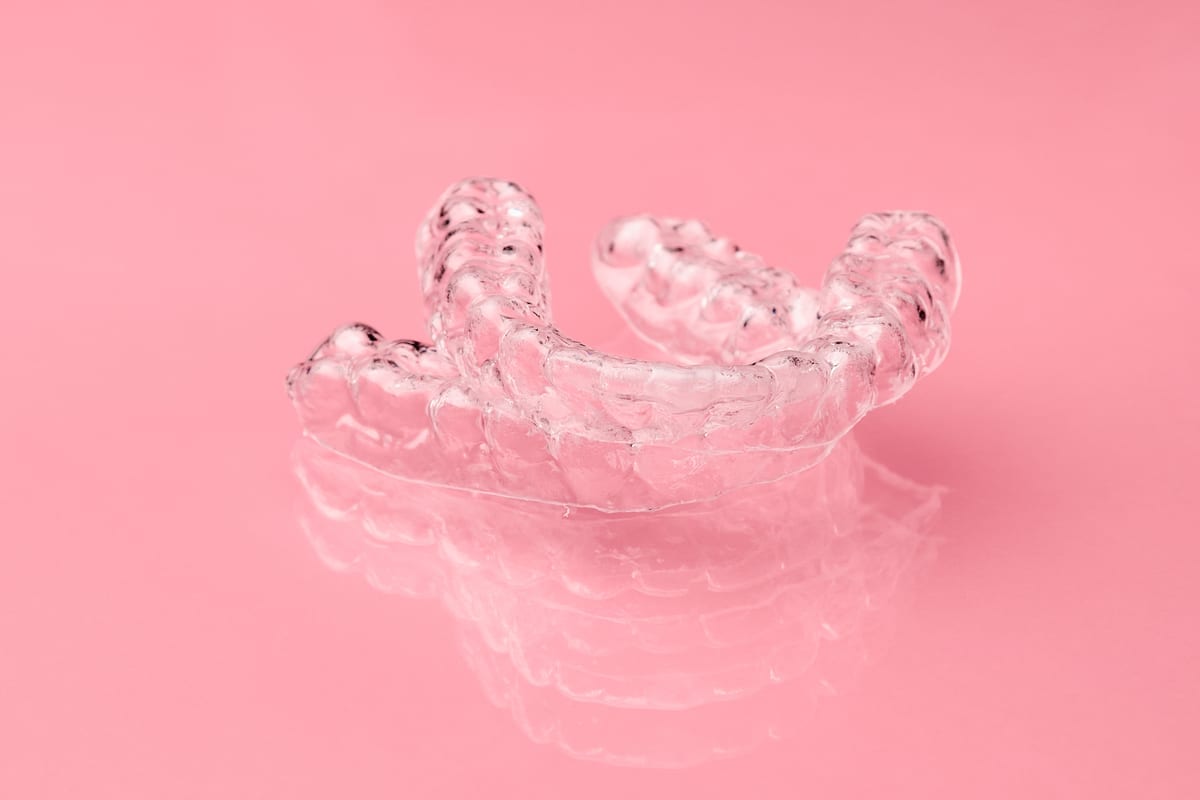
Occlusal splints — also called night guards or bite guards — are one of the most effective and widely used TMJ treatments available. They are custom-made dental appliances worn over your teeth. Most patients wear them at night, though some cases call for daytime use as well.
Splints work by repositioning the jaw into a more relaxed, neutral alignment. They also create a protective barrier between upper and lower teeth. This prevents the damage caused by nighttime grinding and clenching.
Benefits of custom occlusal splints include:
- Reduced jaw muscle tension and soreness
- Protection against tooth wear from bruxism
- Decreased frequency of TMJ-related headaches
- Improved sleep quality for many patients
- A non-invasive, reversible treatment option
It’s important to note that over-the-counter night guards are not the same as custom-fitted splints. Generic options can actually worsen TMJ symptoms in some cases. A professionally fitted splint from Dr. Herrala is calibrated specifically to your bite and jaw position.
Advanced Clinical Treatments for Persistent TMJ Symptoms
When home care and splints aren’t enough, additional clinical options are available. Dr. Herrala takes a step-by-step approach rather than jumping straight to aggressive interventions. The goal is always the least invasive solution that delivers lasting relief.
Some patients benefit from physical therapy techniques designed for the jaw and neck. Targeted exercises, massage, and postural corrections can significantly reduce chronic TMJ pain. These are often combined with splint therapy for better results.
In cases where bite misalignment contributes to TMJ disorder, correcting the bite may be necessary. Options like Invisalign can gently shift teeth into a healthier position over time. Addressing misalignment reduces abnormal pressure on the temporomandibular joint.
For patients with significant tooth damage from grinding, restorative solutions may also be needed. Dental Crowns can rebuild worn teeth and restore a stable bite. In more complex cases, a comprehensive treatment plan addresses both the joint and the teeth together.
Medication can also play a short-term supportive role. Anti-inflammatory medications and muscle relaxants may be recommended alongside other treatments. These are typically used temporarily, not as a standalone long-term solution.
When to See Dr. Herrala in Spokane Valley
Some TMJ symptoms resolve on their own with rest and home care. Others signal an underlying issue that won’t improve without professional guidance. Knowing when to seek help is essential.
Schedule an appointment if you experience any of the following:
- Jaw pain that lasts more than two to three weeks
- Difficulty opening or closing your mouth fully
- A locked jaw or jaw that frequently clicks loudly
- Chronic morning headaches or ear pain without a clear cause
- Visible tooth wear or sensitivity from grinding
Early intervention typically leads to faster, simpler treatment. Waiting too long can allow symptoms to worsen and may require more involved care. Dr. Herrala welcomes patients from across Spokane Valley for comprehensive TMJ evaluations.
If you’re new to Dr. C Family Dentistry, explore our Dental Special Offers Spokane Valley to get started with an affordable first visit. We also offer a Dental Discount Plans Spokane South Hill Spokane Valley program that makes ongoing dental care more accessible for our community.
Your Next Step Toward TMJ Relief
You don’t have to keep living with jaw pain and tension. From home remedies to splints and advanced clinical care, there is a treatment path that fits your situation. Dr. Stephanie Herrala and the team at Dr. C Family Dentistry are here to guide you every step of the way.
Relief is possible, and it starts with a conversation. Book Now to schedule your appointment with our team.
Frequently Asked Questions
How do I know if I have TMJ disorder?
Common signs include jaw pain, clicking or popping sounds when you open your mouth, headaches near your temples, and ear discomfort without an ear infection. If these symptoms persist for more than a couple of weeks, a dental evaluation is recommended. Dr. Herrala can assess your jaw function and help identify the cause.
Are occlusal splints comfortable to wear?
Most patients adjust to their custom splint within one to two weeks. It may feel slightly bulky at first, but discomfort fades quickly. Because the splint is fitted precisely to your teeth, it is far more comfortable than a generic store-bought option.
Can TMJ disorder go away without treatment?
Mild TMJ symptoms sometimes resolve on their own with rest and home care. However, symptoms caused by bite misalignment, structural joint problems, or chronic grinding typically do not improve without professional treatment. Ignoring persistent symptoms can lead to worsening pain and tooth damage over time.
How long does TMJ treatment take?
Treatment timelines vary based on the severity of your condition and the approach used. Some patients feel relief within a few weeks of wearing a splint. Others with more complex cases may need several months of combined therapy. Dr. Herrala will give you a realistic timeline after your initial evaluation.
Is TMJ treatment painful?
Most TMJ treatments are non-invasive and well-tolerated. Splints, physical therapy exercises, and lifestyle changes cause little to no discomfort. Any treatment that involves more involved procedures will be discussed thoroughly beforehand so you know exactly what to expect.