Root Canal vs. Extraction: Which Saves Your Smile and Money

When a tooth becomes severely damaged or infected, you face a critical choice. Your dentist may recommend either a root canal or an extraction. Understanding root canal vs. extraction — which saves your smile and money in Airway Heights — can help you make a confident, informed decision. At Dr. C Family Dentistry, Dr. Danny Snyder guides patients through this exact conversation every day.
Both treatments address serious tooth problems. But they lead to very different long-term outcomes. This article breaks down the costs, recovery timelines, and health impacts of each option so you know what to expect.
What Is a Root Canal and When Is It the Right Choice?
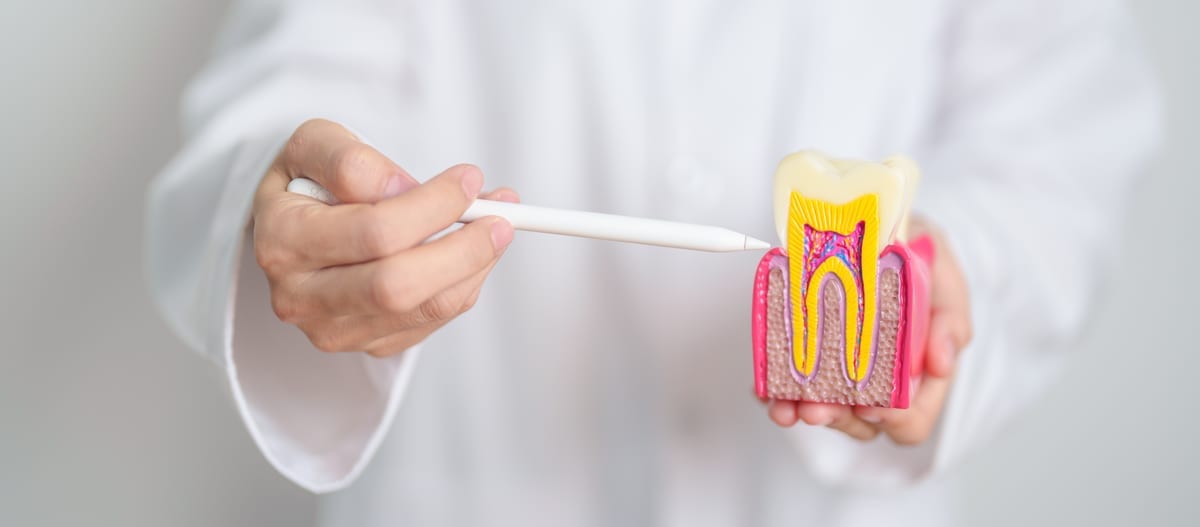
A root canal removes infected or damaged tissue from inside your tooth. The dentist cleans the inner canals, fills them with a safe material, and seals the tooth. A crown is usually placed afterward to protect the tooth long-term.
Root canal treatment is the right choice when the tooth structure is still largely intact. If the roots are healthy and the surrounding bone is solid, saving the tooth makes excellent sense. You keep your natural tooth, preserve your bite, and avoid the complications that come with a missing tooth.
Many patients worry that root canals are painful. In reality, modern techniques make the procedure very comfortable. Dr. Danny Snyder offers sedation dentistry options that help anxious patients feel calm and relaxed throughout treatment.
Root canals typically succeed at a high rate. Most treated teeth can last a lifetime with proper care. That long-term durability makes them a strong value for many patients.
What Is a Tooth Extraction and When Is It Necessary?
A tooth extraction removes the entire tooth from the socket. It is a straightforward procedure performed under local anesthesia. Dentists choose extraction when a tooth is too damaged or decayed to be saved.
Extraction may be necessary in these situations:
- The tooth is broken below the gum line
- Severe infection has destroyed too much bone
- The tooth is fractured in multiple places
- Advanced gum disease has loosened the tooth severely
- Overcrowding needs to be corrected before orthodontic treatment
Extraction is sometimes the most practical and affordable short-term option. However, removing a tooth creates a gap. That gap leads to real consequences over time if left untreated.
Adjacent teeth can shift toward the empty space. Your jawbone can begin to shrink where the root used to be. These changes affect your bite, appearance, and overall oral health.
Root Canal vs. Extraction: Comparing Costs and Long-Term Value in Airway Heights
When patients in Airway Heights weigh root canal vs. extraction, cost is often the first concern. Extractions usually cost less upfront. However, the full financial picture is more complex.
After extraction, most patients need a tooth replacement to preserve their smile and function. Common replacement options include:
- Dental implants — the most natural-feeling replacement, but a higher initial investment
- Dental bridges — anchor to surrounding teeth, a mid-range option
- Dentures — removable appliances that replace one or more missing teeth
When you add the cost of extraction plus replacement, the total often exceeds the cost of a root canal and crown. Saving the natural tooth is frequently the smarter financial decision over the long run.
If you need help planning your treatment financially, Dr. C Family Dentistry offers resources through Dental Financing Insurance Spokane Valley Wa Airway Heights to make quality care more accessible. Exploring your options early helps you avoid delays in treatment.
Recovery: What to Expect After Each Procedure
Recovery timelines differ significantly between the two treatments. Understanding what to expect helps you plan your schedule and manage discomfort effectively.
After a root canal: Most patients return to normal activities within one to two days. Some mild soreness around the treated tooth is common. Over-the-counter pain relievers usually manage any discomfort well. The final crown placement may require a second appointment.
After an extraction: Recovery typically takes three to seven days for simple extractions. Patients must follow specific aftercare instructions to prevent dry socket. Swelling and tenderness are common in the first few days. Strenuous activity should be avoided for at least 48 hours.
Both procedures are safe and routine in experienced hands. Dr. Danny Snyder and the team at Dr. C Family Dentistry ensure patients leave with clear aftercare instructions and full confidence in their recovery plan.
When a Dental Emergency Makes the Decision Urgent
Sometimes a damaged or infected tooth becomes a dental emergency. Severe pain, swelling, or a knocked-out tooth demands immediate attention. Delaying care in these situations can lead to serious health risks.
If you experience sudden tooth pain or facial swelling, contact an Emergency Dentist Spokane South Hill Airway Heights right away. Getting prompt care gives Dr. Snyder the best chance to assess whether your tooth can be saved or must be extracted. Acting fast often makes the difference between keeping or losing a tooth.
Emergency situations do not always mean extraction is inevitable. Many teeth that seem too damaged can still be treated successfully with a root canal when care is sought quickly. Time truly matters in dental emergencies.
Which Option Is Right for You?
There is no single right answer for every patient. The best choice depends on the condition of your specific tooth, your overall oral health, and your personal goals. Dr. Danny Snyder takes time to evaluate each patient individually before recommending a treatment path.
In general, if the tooth can be saved, saving it is almost always the preferred option. Natural teeth function better than any replacement. They help you chew more effectively, speak clearly, and maintain a healthy jawline.
Extraction is the appropriate choice when saving the tooth is no longer realistic. In those cases, Dr. Snyder will discuss tooth replacement options right away. Planning for replacement prevents the cascading problems that follow tooth loss.
At Dr. C Family Dentistry in Airway Heights, WA, your long-term smile health is always the top priority. Dr. Snyder delivers honest, personalized advice so you can move forward with clarity and confidence. Book Now to schedule your appointment with our team.
Frequently Asked Questions
Is a root canal more painful than a tooth extraction?
Most patients report that root canal treatment feels similar to getting a filling. Modern anesthesia and sedation options make both procedures very manageable. Many people find that the pain from the infection itself is far worse than the treatment. Dr. Danny Snyder prioritizes patient comfort throughout every procedure.
How long does a root canal last compared to an implant?
A successfully treated root canal tooth can last a lifetime with proper care and a protective crown. Dental implants are also long-lasting, but they require surgery, healing time, and a greater upfront investment. Saving your natural tooth through a root canal is often the most durable and cost-effective long-term solution.
Can I wait to decide between a root canal and extraction?
Waiting is generally not recommended. Infected teeth can worsen quickly and spread bacteria to surrounding tissue. The longer you delay, the more limited your treatment options may become. Scheduling an evaluation with Dr. Snyder as soon as possible gives you the most choices for saving your smile.
What happens if I extract a tooth and do not replace it?
Leaving a gap after extraction can cause neighboring teeth to shift out of alignment. The jawbone in that area may begin to shrink over time without a root to stimulate it. This can change your bite, your facial appearance, and your overall oral health. Tooth replacement is strongly recommended after any extraction.
Does Dr. C Family Dentistry offer sedation for root canal treatment?
Yes, Dr. Danny Snyder offers sedation dentistry options for patients who feel anxious about dental procedures. Sedation helps you stay calm and comfortable during root canal treatment. Many patients are surprised by how easy the experience feels with the right sedation approach. Ask our team about which sedation option is best suited for your needs.