
Invisalign vs Braces for Adults in Spokane, WA

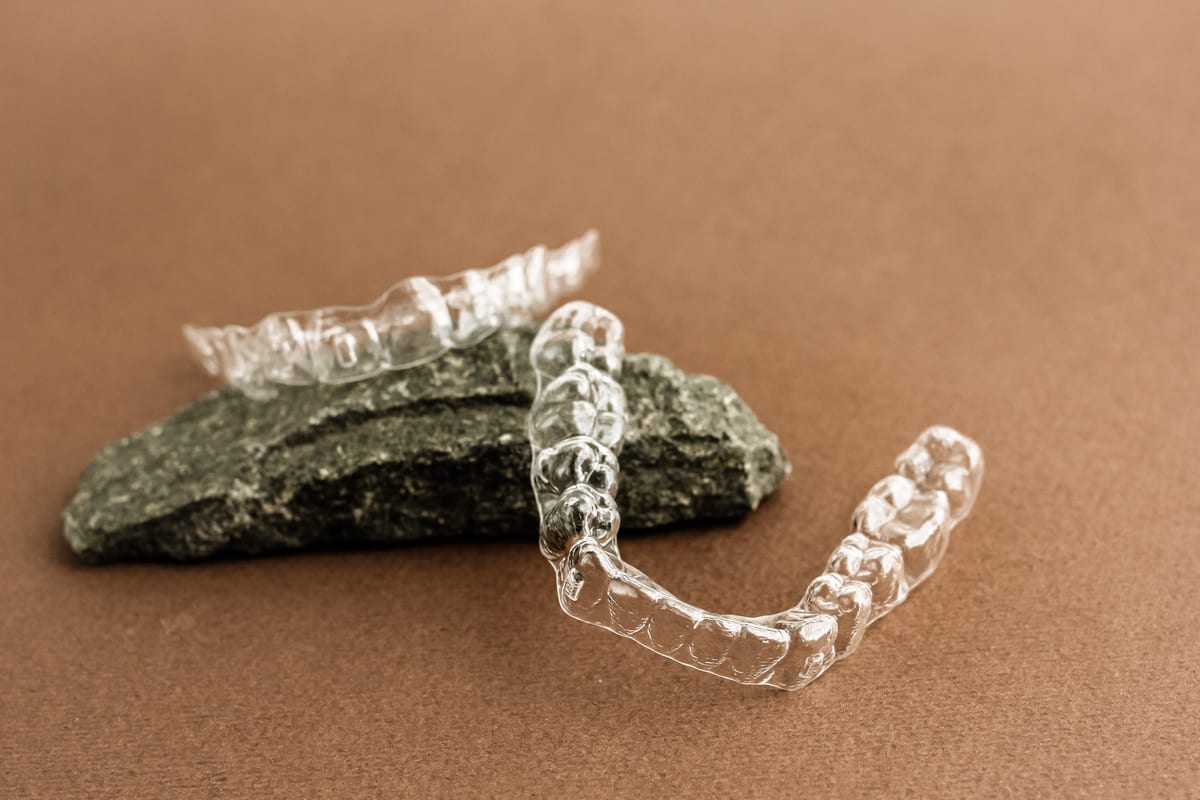
If you’re an adult in Spokane weighing Invisalign vs braces, you’re not alone. More adults than ever are straightening their teeth later in life. The question isn’t just which option looks better — it’s which one actually works better for your lifestyle, budget, and dental needs. Dr. Bryan Finn at Dr. C Dental – South Hill helps Spokane adults make this decision every day. This guide breaks down both options honestly so you can choose with confidence.
Invisalign vs Braces for Adults in Spokane: The Key Differences
Traditional braces use metal brackets and wires bonded to your teeth. They apply continuous pressure to shift teeth into alignment over time. Invisalign uses a series of clear, removable plastic aligners custom-made for your smile. Both systems move teeth effectively, but they work very differently in practice.
For most adults, the differences in daily experience matter just as much as clinical outcomes. Braces are fixed in place — you can’t remove them. Invisalign aligners come out for eating, drinking, and brushing. That one difference changes nearly everything about the treatment experience.
Understanding the full picture helps you ask better questions at your consultation. Let’s break down each major comparison category so you know exactly what to expect.
Comfort, Appearance, and Daily Life With Each Option
Metal braces are highly visible. Many adults feel self-conscious wearing brackets and wires at work or in social settings. Invisalign aligners are nearly invisible, which is a major reason adults prefer them. Most people won’t notice you’re wearing them at all.
When it comes to comfort, both options cause some soreness — especially after adjustments or aligner changes. Braces can irritate the inside of your cheeks with sharp brackets and wires. Invisalign aligners have smooth edges with no metal components. Most adults find Invisalign more comfortable on a day-to-day basis.
Here’s a quick comparison of daily life factors:
- Visibility: Invisalign is nearly invisible; braces are clearly visible
- Comfort: Invisalign has smooth edges; braces may cause cheek irritation
- Eating: Invisalign removes for meals; braces require food restrictions
- Oral hygiene: Invisalign allows normal brushing and flossing; braces require special tools
- Speech: Both may cause minor temporary speech changes
For adults in professional or social environments, the appearance factor often tips the scale toward Invisalign. That said, appearance isn’t the only consideration worth making.
Treatment Scope: What Each Option Can and Can’t Fix
Braces have a longer clinical track record for treating complex cases. They handle severe crowding, significant bite issues, and large gaps effectively. Orthodontists have used braces for decades to correct nearly every type of misalignment. Their fixed nature means the treatment works around the clock without any patient effort.
Invisalign technology has improved dramatically over the past decade. It now treats a wide range of adult cases — including mild to moderate crowding, spacing issues, and some bite corrections. However, very complex orthodontic problems may still require braces. Dr. Bryan Finn can assess your specific case and tell you honestly which option fits your situation.
Some adults need a combination approach. You might start with braces for complex movement, then finish with aligners. This depends entirely on your individual bite, jaw structure, and smile goals. A thorough exam is the only way to know for certain.
Compliance, Cost, and What Adults Need to Know Before Deciding
Invisalign requires discipline. Aligners must be worn 20–22 hours per day to work as intended. Adults who frequently remove them — even for small stretches — risk extending their treatment timeline. This is one area where braces have a built-in advantage: they work whether you’re committed or not.
Benefits of Invisalign for compliant adult patients include:
- Removable for special events, photos, or presentations
- Easier to maintain excellent oral hygiene throughout treatment
- No dietary restrictions during treatment
- Fewer emergency visits for broken brackets or wires
- More comfortable for most patients after the adjustment period
Cost varies based on case complexity, treatment length, and your specific provider. Invisalign and braces are often comparable in price for adults, though Invisalign can run slightly higher for complex cases. It’s worth getting a full quote during your consultation at Dr. C Dental – South Hill.
Some patients feel anxious about dental procedures in general. If that sounds like you, ask Dr. Finn about Sedation Dentistry options available at the practice. A relaxed consultation makes it easier to explore your options clearly and without stress.
Making the Right Choice for Your Smile in Spokane
There’s no single correct answer in the Invisalign vs braces debate for adults in Spokane. The right choice depends on your case complexity, your lifestyle, and your personal priorities. Invisalign suits most adults with mild to moderate alignment issues who value discretion and flexibility. Braces remain the gold standard for complex cases that need precise, continuous force.
What matters most is getting an honest assessment from a dentist who knows both options well. Dr. Bryan Finn at Dr. C Dental – South Hill evaluates each patient individually. He takes the time to explain your options without pressure or oversimplification. Spokane adults deserve clear information — not a sales pitch.
It’s also worth noting that straightening your teeth is about more than aesthetics. Properly aligned teeth are easier to clean and place less strain on your jaw. They can also reduce long-term wear and prevent more complex dental issues down the road. Investing in your smile is investing in your overall dental health.
If you’ve been putting off treatment because of cost concerns, remember that untreated alignment issues can lead to bigger problems. Some patients in Spokane eventually need procedures like Bone Grafting due to bone loss connected to poor oral health. Addressing alignment early is almost always more cost-effective in the long run.
Ready to find out which option is right for your smile? Book Now to schedule your appointment with our team.
Frequently Asked Questions
Is Invisalign actually effective for adults, or is it mainly for teens?
Invisalign is highly effective for adults and is actually used more by adults than teens in many practices. Modern aligner technology handles a wide range of alignment issues. Adults tend to be more compliant with wearing aligners consistently, which improves outcomes. Dr. Bryan Finn can assess whether your case is a strong fit for Invisalign during a consultation.
How long does Invisalign treatment take compared to braces?
Treatment time varies based on the complexity of your case and how consistently you wear your aligners. Mild cases with Invisalign may complete in 6–12 months. Traditional braces for moderate to complex cases often take 18–24 months. Your dentist will give you a realistic timeline after reviewing your x-rays and bite assessment.
Can I switch from braces to Invisalign mid-treatment?
In some cases, yes — but it depends on how far along your treatment is and what movement still needs to happen. Some patients complete the bulk of movement with braces and finish with Invisalign refiners. This is a decision made on a case-by-case basis with your dental provider. It’s always worth asking at your next appointment if you’re unhappy with your current approach.
Do braces or Invisalign cause more pain for adults?
Both options cause temporary soreness, especially after adjustments or aligner changes. Most adults report that Invisalign discomfort is milder and shorter in duration. Braces can also cause irritation from brackets rubbing against soft tissue inside the mouth. Using orthodontic wax and over-the-counter pain relievers usually manages discomfort effectively for both options.
What happens after treatment is complete — do I need a retainer?
Yes — both Invisalign and braces require retainers after treatment to maintain your results. Without a retainer, teeth naturally shift back toward their original positions over time. Most patients wear retainers nightly long-term after treatment ends. Dr. Finn will walk you through the retention plan as part of your overall treatment discussion.