Your New Crown: 5 Care Mistakes That Could Cost You


Getting a dental crown is a significant investment in your smile. Yet many patients in Airway Heights unknowingly make mistakes that shorten their crown’s lifespan. Your new crown: 5 care mistakes that could cost you in Airway Heights are more common than you might think. Dr. Danny Snyder at Dr. C Family Dentistry wants you to get the most out of your restoration. A little knowledge goes a long way toward protecting your crown for years to come.
Why Proper Crown Care Matters in Airway Heights
Dental crowns are built to last. With proper care, they can protect your tooth for 10 to 15 years or longer. However, neglecting basic maintenance can cause crowns to fail prematurely. That means more time in the dental chair and unexpected expenses.
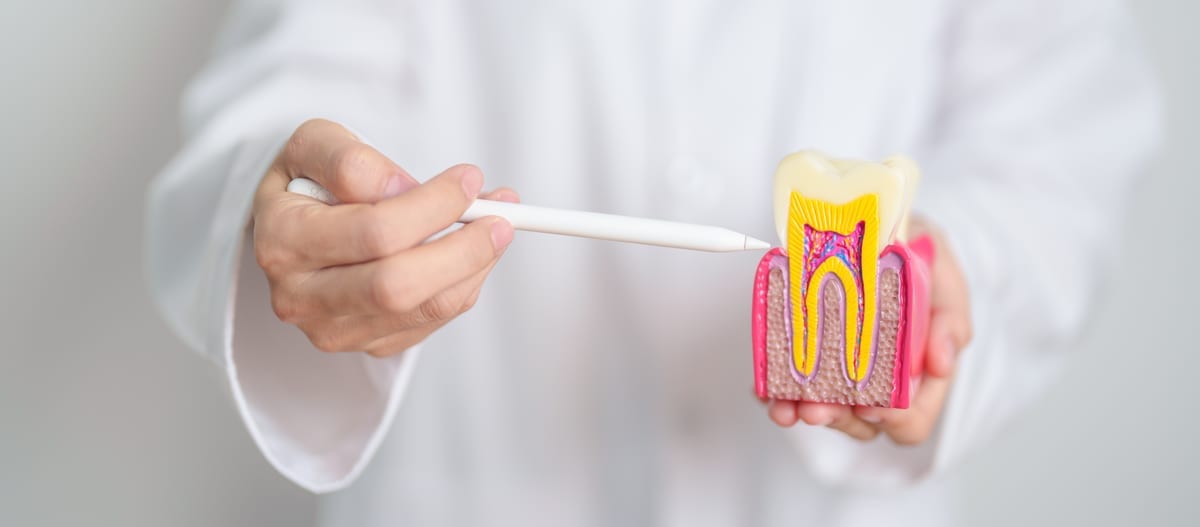
A crown covers a damaged or weakened tooth. The underlying tooth structure can still decay if bacteria sneak under the crown margin. That margin — where the crown meets the gum line — is especially vulnerable. Cleaning it carefully every day is non-negotiable.
At Dr. C Family Dentistry, we treat patients who wish they had known these care tips sooner. Understanding the common pitfalls helps you avoid them entirely. Let’s walk through the five biggest mistakes patients make after getting a crown.
Mistake 1 and 2 — Ignoring the Margins and Skipping Floss
The margin of your crown is its most vulnerable point. Bacteria and plaque accumulate right where the crown meets your natural tooth. If you skip brushing along that gum line, decay can develop beneath the crown. This often goes unnoticed until serious damage has occurred.
Many patients assume a crowned tooth doesn’t need flossing. That’s a costly misconception. Flossing around a crown removes plaque from areas your toothbrush simply cannot reach. Skipping floss is one of the fastest ways to invite gum disease around your restoration.
Here is how to clean your crown margins properly every day:
- Brush gently at a 45-degree angle toward the gum line twice daily
- Use a soft-bristled toothbrush to avoid scratching the crown surface
- Floss once daily using a gentle C-shape motion around the crown
- Consider a water flosser for extra plaque removal around the margin
- Use a fluoride toothpaste to protect the surrounding tooth structure
These simple habits add only a few minutes to your routine. They can add years to your crown’s lifespan. Dr. Danny Snyder recommends asking our team to demonstrate proper technique at your next checkup.
Mistake 3 and 4 — Eating the Wrong Foods and Skipping Night Guard Protection
What you eat directly affects how long your crown lasts. Certain foods place enormous stress on a crown. Others can pull it right off. Knowing which foods to avoid protects your investment immediately.
Foods that can damage or dislodge your crown include:
- Sticky candies like caramel and taffy that can tug at the crown
- Hard foods such as ice, hard candies, and unpopped popcorn kernels
- Crusty breads and tough meats that require excessive biting force
- Chewing on pens, fingernails, or other non-food objects
Grinding and clenching teeth — a condition called bruxism — is another serious threat. Many people grind at night without realizing it. The repeated pressure slowly wears down a crown and can even crack it over time.
A custom night guard acts as a protective barrier while you sleep. It absorbs the force of grinding before it reaches your crown. If you wake up with jaw soreness or headaches, mention it to Dr. Snyder. A night guard could save your crown from unnecessary wear.
Mistake 5 — Skipping Regular Checkups at Your Airway Heights Dentist
The fifth and perhaps most preventable mistake is skipping your routine dental visits. Many patients feel fine and assume everything is okay. But early crown problems rarely cause pain at first. By the time you notice discomfort, the issue has often progressed significantly.
During a checkup, Dr. Danny Snyder examines the crown margin, checks the bite, and looks for early signs of decay. X-rays can reveal problems developing beneath the crown that are invisible to the naked eye. Catching these issues early saves time, money, and additional treatment.
Routine visits also give our team a chance to professionally clean around your crown. Professional cleaning removes hardened tartar that home brushing cannot eliminate. Patients in Airway Heights who stay consistent with their visits tend to keep their crowns far longer.
If you ever experience a sudden toothache, sensitivity, or a loose crown, don’t wait for your next scheduled visit. Prompt attention prevents small problems from becoming major ones. Our team is here when you need us most, including when urgent situations arise — you can count on an Emergency Dentist Spokane South Hill Airway Heights for fast, compassionate care.
Building Good Habits That Protect Your Crown Long-Term
Crown care isn’t complicated, but it does require consistency. The patients who get the most out of their restorations follow a few reliable habits. Building these into your daily routine makes protecting your crown second nature.
Here is a simple daily and weekly crown care routine to follow:
- Brush twice daily with a soft-bristled brush, focusing on the crown margin
- Floss once daily around the crowned tooth using gentle technique
- Rinse with an antibacterial mouthwash to reduce bacterial load
- Wear your night guard every night if you grind or clench
- Attend checkups every six months without skipping
These steps protect not just your crown but your overall oral health. They also reduce the likelihood of needing additional procedures down the road. Consistency truly is the best form of dental care.
We understand that cost is always a consideration when it comes to dental care. Our team at Dr. C Family Dentistry works hard to make treatments accessible for patients in Airway Heights. You can learn about your options for Dental Financing Insurance Spokane Valley Wa Airway Heights to help manage the cost of your care comfortably.
Conclusion — Protect Your Crown Starting Today
Your crown represents both your dental health and your hard-earned money. Avoiding these five common mistakes keeps your restoration strong for many years. Clean the margins daily, floss consistently, watch what you eat, wear a night guard if needed, and never skip your checkups. Dr. Danny Snyder and the entire team at Dr. C Family Dentistry are here to support your smile every step of the way. Book Now to schedule your appointment with our team.
Frequently Asked Questions
How long should a dental crown last with proper care?
A well-maintained dental crown can last between 10 and 15 years, and sometimes longer. Regular brushing, flossing, and routine dental checkups are the most important factors in extending a crown’s lifespan. Avoiding hard foods and wearing a night guard if you grind your teeth also makes a significant difference.
Can the tooth under a crown still get a cavity?
Yes, the natural tooth structure beneath a crown can still develop decay, especially near the crown margin at the gum line. Bacteria can sneak under a poorly sealed or worn crown. This is why cleaning the margin carefully every day and attending regular checkups with Dr. Danny Snyder is so important.
Do I really need a night guard if I have a crown?
If you grind or clench your teeth — even occasionally — a custom night guard is strongly recommended. Grinding places enormous repetitive force on a crown, which can crack or loosen it over time. A night guard protects both the crown and the surrounding teeth while you sleep.
What should I do if my crown feels loose or falls off?
Contact Dr. C Family Dentistry as soon as possible if your crown feels loose or comes off entirely. Do not attempt to glue it back yourself. Keep the crown safe and avoid chewing on that side of your mouth. Prompt treatment prevents the underlying tooth from sustaining further damage.
How soon after getting a crown can I eat normally?
If you received a permanent crown, you can typically eat normally once any numbness has worn off. However, it is wise to avoid very hard or sticky foods for the first 24 hours. Your dentist will give you specific guidance based on the type of cement used and the condition of your tooth.