Why Your Invisalign Treatment Takes Longer (And How to Speed It Up)

If you’ve started Invisalign and wonder why results feel slow, you’re not alone. Many Spokane patients ask why their Invisalign treatment takes longer than expected — and how to speed it up. Understanding the timeline helps you stay motivated and in control. At Dr. C Dental – South Hill, Dr. Bryan Finn walks every patient through what to expect so there are no surprises along the way.
What Is the Average Invisalign Timeline in Spokane?
Most adults complete Invisalign treatment in 12 to 18 months. Teens may follow a similar range, depending on their case complexity. Mild spacing or crowding cases can finish in as little as six months. More complex bite corrections often require the full 18 months or longer.
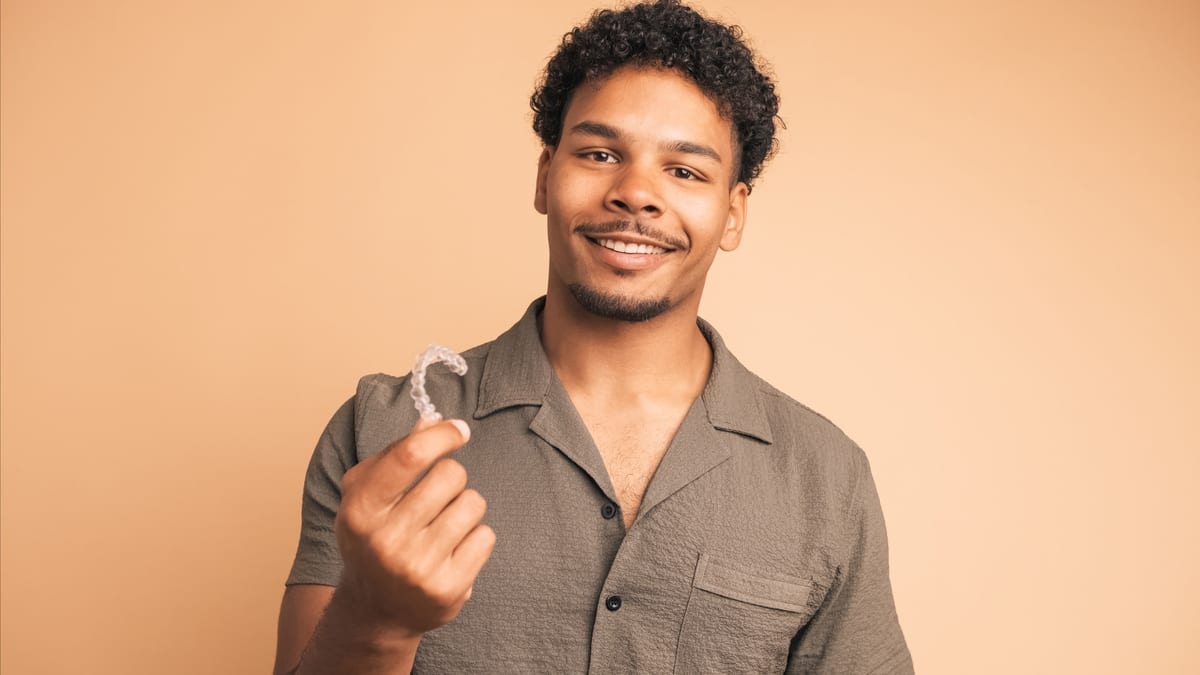
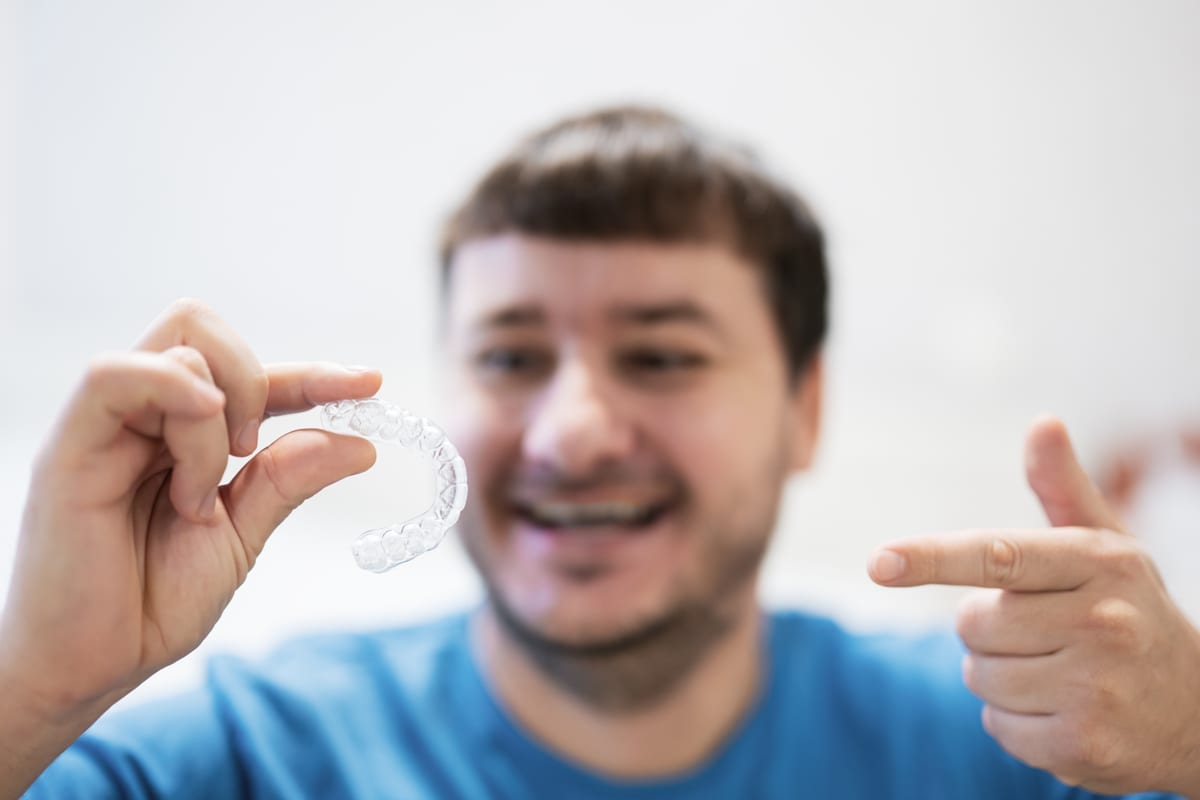
Your treatment plan is built around a series of custom aligner trays. Each tray moves your teeth a fraction of a millimeter. You typically switch to a new tray every one to two weeks. The total number of trays determines your baseline timeline before treatment even begins.
Dr. Finn reviews digital scans and bite analysis to estimate your personal timeline. This estimate assumes full compliance with wearing guidelines. Deviating from those guidelines is the most common reason treatment runs longer than planned. Knowing this upfront helps Spokane patients stay on track from day one.
Why Your Invisalign Treatment Takes Longer — Common Causes
The biggest reason Invisalign takes longer than planned comes down to wear time. Aligners must stay in your mouth for 20 to 22 hours every day. Removing them too often — even for short periods — slows tooth movement significantly. Many patients underestimate how quickly those lost hours add up each week.
Skipping or delaying check-up appointments also extends your timeline. Dr. Finn uses these visits to confirm teeth are tracking correctly. If a tray isn’t fitting well, the issue needs correction before you move forward. Catching problems early prevents weeks of wasted treatment time.
Other common causes of a longer Invisalign timeline include:
- Forgetting to wear aligners overnight consistently
- Losing or damaging aligner trays without replacing them quickly
- Not using chewies to seat aligners properly
- Skipping refinement trays when recommended
- Starting with more complex tooth movement than initially estimated
Bone density and age can also play a role. Teeth move through bone, and that process varies person to person. Older adults may experience slightly slower movement than younger patients. This is normal and doesn’t mean treatment is failing.
How Compliance Directly Affects Your Results
Compliance is the single most powerful factor in your Invisalign outcome. Every hour you leave aligners out is an hour teeth aren’t moving. Over a week, inconsistent wear can set your progress back significantly. Patients who wear aligners as directed almost always finish on or ahead of schedule.
Think of your aligners like a prescription. You wouldn’t skip doses of medication and expect the same result. The same logic applies here. Consistency, not motivation, is what drives successful Invisalign outcomes.
Here are practical compliance habits Dr. Finn recommends for Spokane patients:
- Set a phone reminder to put aligners back in after meals
- Keep a travel case with you so removal is convenient — not permanent
- Track your daily wear time using a simple app or habit journal
- Rinse aligners every time you remove them to maintain hygiene
- Communicate with Dr. Finn’s team if you’re struggling — adjustments can help
Patients who communicate openly with our team get better outcomes. If life gets busy, we’d rather know early and adjust your plan. Silence often leads to avoidable delays. Our team is here to support you, not judge your progress.
What Can Speed Up Your Invisalign Treatment?
Beyond strict compliance, a few other strategies can help accelerate your timeline. Using AcceleDent or Propel devices — approved vibration tools — may shorten treatment by stimulating bone remodeling. Ask Dr. Finn if these options are appropriate for your specific case. Not every patient qualifies, but many benefit significantly.
Attending every scheduled appointment is non-negotiable for fast results. These visits allow Dr. Finn to catch tracking issues and approve tray advances. Missing appointments doesn’t just delay your visit — it can delay your entire treatment plan. Prioritize these as you would any important health appointment.
Replacing lost or damaged trays quickly also prevents timeline setbacks. If a tray cracks or gets misplaced, contact our office right away. We can guide you on whether to wear the previous tray or move forward. Acting fast limits the disruption to your overall progress.
Finally, maintaining excellent oral hygiene speeds up treatment indirectly. Healthy gums and teeth respond better to movement. Inflammation from gum disease can slow or complicate tooth shifting. Brush, floss, and clean your aligners daily without exception.
When to Contact Dr. Finn During Invisalign Treatment
Some situations require prompt attention from our South Hill team. If a tray feels completely different from the last one or causes sharp pain, call us. This could signal a tracking problem that needs correction. Waiting too long to report issues makes them harder to resolve.
Dental emergencies can also arise during orthodontic treatment. If you chip a tooth or experience sudden dental pain, don’t ignore it. Our team handles urgent situations quickly so your Invisalign plan stays on track. You can also visit our Emergency Dentist Spokane South Hill Spokane page to learn more about urgent dental care options.
In some cases, patients also need bone support evaluated before or during treatment. Certain complex cases may involve a recommendation for Bone Grafting Spokane to support long-term dental stability. Dr. Finn will always explain when and why additional care is recommended. Every decision is made with your long-term smile health in mind.
Your Spokane Invisalign Timeline Starts With a Plan
Understanding why your Invisalign treatment takes longer — and how to speed it up in Spokane — puts you in the driver’s seat. Compliance, communication, and consistent appointments are the three pillars of a successful outcome. Dr. Bryan Finn and the Dr. C Dental – South Hill team are committed to guiding every patient through this process. You deserve a timeline that works and a smile that lasts. Book Now to schedule your appointment with our team.
Frequently Asked Questions
How long does Invisalign take for most adults?
Most adults complete Invisalign treatment in 12 to 18 months. Mild cases may finish in six months or less. Complex bite or spacing issues can extend treatment to 24 months. Dr. Finn will give you a personalized estimate during your consultation.
What happens if I don’t wear my aligners for 22 hours a day?
Skipping wear time is the most common reason Invisalign takes longer than expected. Even a few hours each day can slow tooth movement and extend your treatment by weeks or months. Consistent daily wear keeps your plan on schedule.
Can I switch to the next aligner tray early to finish faster?
No — advancing trays before your teeth are ready can cause tracking failures and actually lengthen treatment. Always follow Dr. Finn’s guidance on when to move to the next tray. Rushing the process often creates setbacks rather than shortcuts.
What should I do if I lose an Invisalign tray?
Contact Dr. C Dental – South Hill as soon as possible. Dr. Finn’s team will advise you on whether to wear your previous tray or move to the next one. Acting quickly limits the disruption to your overall Invisalign timeline.
Does Invisalign work the same for teens and adults?
Invisalign works well for both teens and adults, though timelines may differ slightly. Teens often have faster bone remodeling, which can aid tooth movement. Adults tend to achieve excellent results with strong compliance. Dr. Finn tailors every treatment plan to the individual patient’s needs and biology.