Modern Dentures vs. Your Grandmother’s: Why They’re Nothing Alike

If dentures make you think of loose plates soaking in a glass overnight, you are not alone. Many patients in Airway Heights, WA carry that image in their minds. But modern dentures vs. your grandmother’s are nothing alike in Airway Heights — and understanding the difference could change how you think about tooth replacement entirely. Dr. Danny Snyder at Dr. C Family Dentistry wants to clear up the outdated picture once and for all.
Today’s dentures are precision-crafted, comfortable, and remarkably lifelike. The technology behind them has advanced dramatically over the past few decades. Whether you have lost a few teeth or many, there is likely a modern solution designed specifically for your needs.
Why Your Grandmother’s Dentures Had Such a Bad Reputation
Older denture technology had real limitations. Materials were rigid and often uncomfortable. Fit was approximated rather than precisely customized. Many patients dealt with slipping, clicking, and sore spots daily.
Adhesives became a constant companion for denture wearers of that era. Without a secure fit, speaking and eating were genuinely stressful experiences. It is no wonder so many people felt embarrassed about their dentures.
The aesthetics were also noticeably artificial. Older denture teeth were uniform and plasticky. They rarely matched the natural variation of real teeth. Strangers could often spot a denture wearer from across a room.
- Poor fit caused slipping and discomfort
- Rigid acrylic materials created sore spots on gum tissue
- Uniform, artificial-looking teeth reduced confidence
- Frequent reliance on dental adhesives became necessary
- Bone loss under the denture was not adequately addressed
How Modern Denture Materials and Fit Have Changed Everything
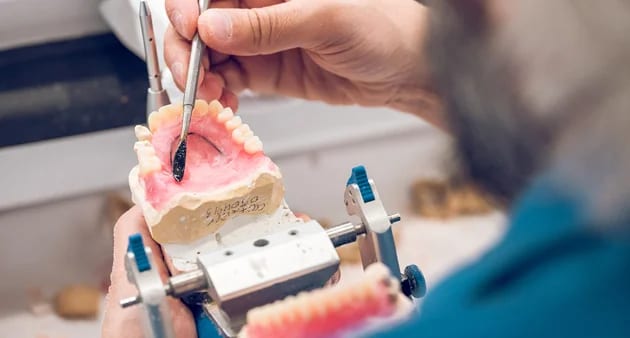
Today’s dentures start with highly accurate digital impressions. Advanced scanning technology maps your mouth in precise detail. This means your denture is designed to fit your unique anatomy — not a generic mold.
Modern materials are lighter, stronger, and more flexible than ever before. High-quality acrylic resins and flexible nylon bases flex with your jaw movements. This flexibility dramatically reduces pressure points and irritation.
Digital design software also allows Dr. Snyder to fine-tune every detail before fabrication begins. Adjustments that once required multiple lab visits can now be made virtually. The result is a denture that fits right from the very first fitting.
Modern denture teeth are crafted from composite or porcelain materials. These materials mimic the translucency and texture of natural enamel. Even people close to you will struggle to tell the difference.
Implant-Supported Dentures: The Game Changer in Airway Heights
Perhaps the biggest advancement in modern denture technology is implant support. Traditional dentures rest on the gum surface and can shift. Implant-supported dentures anchor directly to small titanium posts placed in the jawbone.
This anchoring system provides stability that older dentures simply could never offer. You can bite into an apple or laugh freely without worrying about movement. Many patients describe implant-supported dentures as feeling almost like natural teeth.
There is also a critical health benefit to this approach. Traditional dentures allow the jawbone to shrink over time because there is no tooth root stimulating it. Implants mimic that root stimulation and help preserve your bone structure for years.
- Implants anchor the denture firmly to the jaw
- Bone loss is significantly slowed or prevented
- No adhesives are needed for daily wear
- Speech and chewing function dramatically improve
- Patients report higher confidence and quality of life
Dr. Snyder evaluates each patient individually to determine if implant-supported options are appropriate. Not everyone is an immediate candidate, but many patients are surprised to learn they qualify. The consultation process at Dr. C Family Dentistry is thorough and educational.
What to Expect From the Modern Denture Process at Dr. C Family Dentistry
Getting modern dentures in Airway Heights is a step-by-step process designed around your comfort. Dr. Snyder begins with a comprehensive exam and discussion of your goals. This conversation shapes every decision that follows.
Digital impressions are taken next, replacing the messy putty trays of the past. These scans feed directly into computer-aided design software. Your custom denture is then fabricated with laboratory precision.
Try-in appointments allow you to preview your new smile before final fabrication. You can request adjustments to the shape, shade, or size of your teeth. This collaborative process ensures you love the result.
Aftercare guidance is a key part of the experience at Dr. C Family Dentistry. Dr. Snyder and the team walk you through cleaning routines, storage, and follow-up care. Regular check-ins help ensure your denture continues to fit properly as your mouth naturally changes.
To make your care more accessible, explore Dental Special Offers Airway Heights available through our practice. You can also review Dental Discount Plans Spokane South Hill Airway Heights to find a plan that works for your budget.
Is It Time to Rethink Dentures? A Fresh Perspective for Airway Heights Patients
Many people delay tooth replacement because of old fears about dentures. Those fears are largely rooted in an outdated experience. Modern dentures vs. your grandmother’s are nothing alike in Airway Heights — and that is genuinely good news.
Waiting too long to replace missing teeth creates its own problems. Remaining teeth can shift. Bone loss accelerates. Chewing becomes increasingly difficult and painful.
Dr. Snyder encourages patients to come in for a no-pressure consultation. Understanding your options is the first step toward making a confident decision. You deserve a solution that fits your life and your smile.
Dr. C Family Dentistry serves patients throughout the Airway Heights community with compassionate, modern care. The team is committed to making every patient feel informed and comfortable. You will never feel rushed or pressured — only supported.
Ready to discover what today’s dentures can really do for you? Book Now to schedule your appointment with our team.
Frequently Asked Questions
How are modern dentures different from older ones?
Modern dentures use digital impressions, advanced materials, and computer-aided design for a far more precise fit. They look more natural and feel more comfortable than the rigid acrylic dentures of previous generations. Many patients are genuinely surprised by how different the experience is compared to what they expected.
What are implant-supported dentures and are they right for me?
Implant-supported dentures attach to small titanium posts surgically placed in the jawbone. They offer superior stability, eliminate the need for adhesives, and help preserve jawbone density over time. Dr. Snyder will evaluate your bone health and overall oral health to determine if you are a good candidate during your consultation.
Will modern dentures look natural?
Yes — modern denture teeth are made from materials that mimic the translucency and texture of real enamel. Dr. Snyder works closely with patients to match tooth shade, shape, and size to their natural appearance. Most people find that friends and family cannot tell the difference at all.
How long do modern dentures typically last?
With proper care, modern dentures typically last between five and ten years before they may need relining or replacement. Your mouth naturally changes shape over time, which can affect the fit. Regular checkups at Dr. C Family Dentistry help ensure your denture continues to fit well throughout its lifespan.
Is getting dentures a painful process?
The process of being fitted for dentures is generally very comfortable, especially with digital impression technology that replaces messy traditional trays. If extractions or implant placement are involved, Dr. Snyder offers sedation dentistry options to keep you at ease. Post-procedure discomfort is typically mild and manageable with standard care instructions.