
Dental Implants in Airway Heights, WA

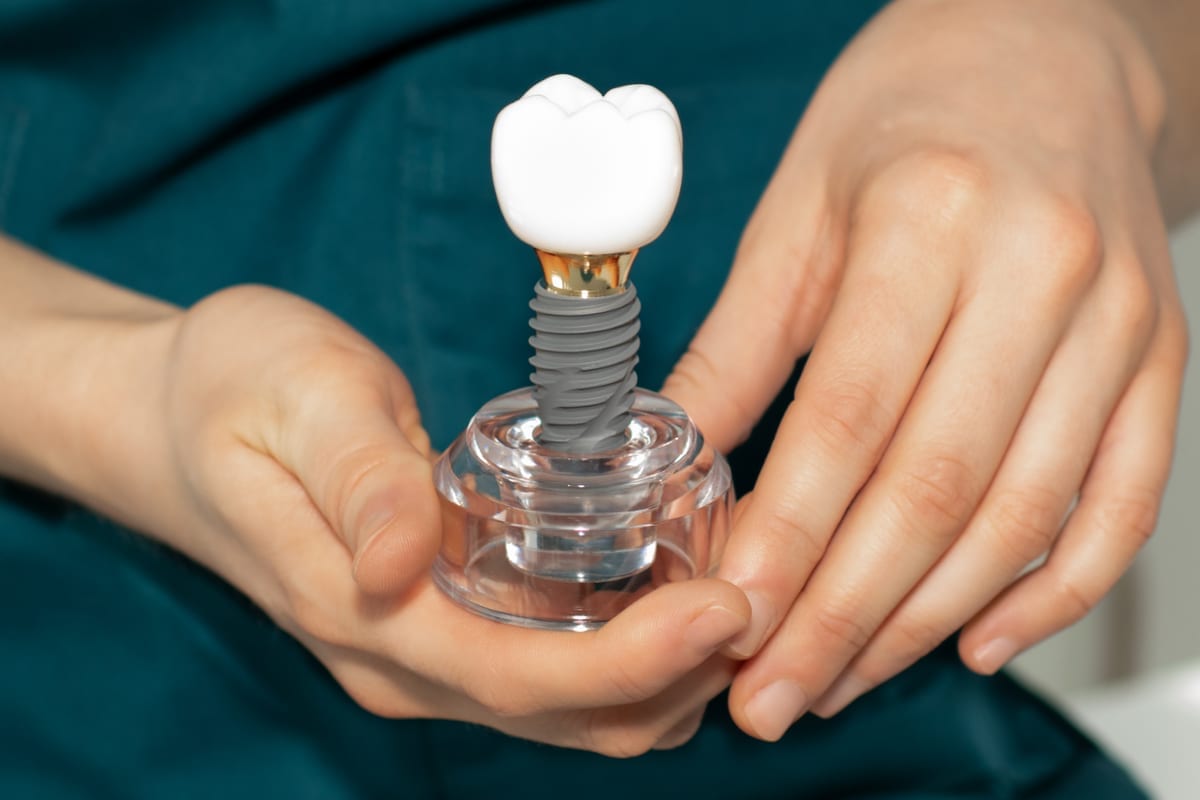
Starting your dental implant journey can feel overwhelming. At Dr. C Family Dentistry in Airway Heights, WA, we believe knowledge is the best antidote to anxiety. Understanding your dental implant journey — what to expect from start to finish in Airway Heights — helps you walk in prepared and confident. Dr. Danny Snyder and our team are here to guide you through every single step.
Step One: Your Implant Consultation in Airway Heights
Every successful implant begins with a thorough consultation. During this visit, Dr. Snyder will review your medical history and examine your mouth carefully. He will check your gum health, bone density, and the position of neighboring teeth. This information shapes your entire personalized treatment plan.
We use digital X-rays and 3D imaging at this stage. These tools show us exactly how much bone is available to support an implant. If bone volume is low, Dr. Snyder may recommend additional procedures before moving forward. Catching this early prevents surprises later in your treatment.
You will also discuss your comfort options during this appointment. Many patients in Airway Heights choose Sedation Dentistry to stay relaxed throughout their implant procedure. We offer multiple sedation levels to match your needs and comfort level. No question is too small — ask everything on your mind.
Preparing for Surgery: Bone Grafting and Pre-Implant Care
Some patients need preparatory work before implant placement. If your jawbone has thinned due to tooth loss, a Bone Grafting procedure may be necessary. This process adds volume and strength to your jaw so it can firmly hold the implant post. Healing from a graft typically takes a few months before implant surgery begins.
Not every patient requires a bone graft. Dr. Snyder will be honest with you about what your specific anatomy requires. He will explain the reason for each recommended step clearly. You will never feel rushed or pressured into any decision.
Pre-surgery preparation also involves simple lifestyle adjustments. Dr. Snyder may advise you to avoid certain medications before surgery. He will also give you detailed instructions about eating and drinking before your procedure. Following these guidelines helps your surgery go smoothly and safely.
The Implant Placement Procedure: What Happens in the Chair
On surgery day, you will be made comfortable before anything begins. Your mouth will be numbed with local anesthetic, and sedation will be administered if you have chosen that option. Most patients are surprised by how little they feel during the actual procedure. Dr. Snyder works with precision and care at every stage.
Here is a simple breakdown of what happens during implant placement:
- A small incision is made in the gum tissue to expose the jawbone.
- A titanium post is gently inserted into the bone at the precise angle planned during consultation.
- The gum tissue is stitched closed around the post.
- A temporary cover is placed to protect the site while healing begins.
- You are given aftercare instructions before leaving the office.
The entire placement appointment usually takes one to two hours. Most patients return to light activity within a day or two. Dr. Snyder will prescribe any needed pain relief and provide a clear recovery plan. You will also have a follow-up visit scheduled before you leave.
Healing and Osseointegration: The Critical Recovery Phase
After placement, your body begins a process called osseointegration. This is when the titanium post fuses naturally with your jawbone over several months. It is the foundation that makes implants so durable and lifelike. Rushing this phase is not possible — patience here pays off for life.
During healing, it is important to follow these recovery guidelines:
- Eat soft foods and avoid hard or crunchy items for several weeks.
- Keep the surgical site clean using a gentle rinse as directed.
- Avoid smoking, as it significantly slows healing and risks implant failure.
- Attend all scheduled follow-up appointments with Dr. Snyder.
- Report any unusual pain, swelling, or discharge promptly.
Most patients experience mild soreness and swelling for the first few days. Over-the-counter pain relievers typically manage discomfort well. Swelling usually peaks around day two or three, then subsides gradually. Cold compresses applied to the cheek can offer additional relief during this time.
Dr. Snyder monitors your healing at regular check-in appointments. He uses these visits to confirm the implant is integrating properly with your bone. If any adjustment is needed, he addresses it early. This close monitoring is part of what makes the Dr. C Family Dentistry experience stand out in Airway Heights.
Placing the Abutment and Final Crown
Once osseointegration is complete, the next step is abutment placement. The abutment is a small connector piece that sits above the gum line. It serves as the anchor point for your final dental crown. This minor procedure is quick and often requires only local anesthetic.
After the abutment is placed, impressions of your mouth are taken. These impressions guide the fabrication of your custom crown. The crown is color-matched to blend seamlessly with your surrounding teeth. Most patients find their implant crown completely indistinguishable from natural teeth.
When your crown is ready, Dr. Snyder will attach it securely to the abutment. He will check your bite carefully and make any minor adjustments. Once everything feels natural and comfortable, your implant journey is complete. You leave with a restoration built to last for decades with proper care.
Long-Term Care for Your Dental Implant
Caring for an implant is refreshingly straightforward. Brush twice daily and floss around the implant just as you would a natural tooth. Routine dental visits every six months keep the surrounding gum tissue healthy. Dr. Snyder and the team at Dr. C Family Dentistry in Airway Heights are always here if questions arise.
Implants do not decay, but the surrounding gum tissue still needs attention. Gum disease is the leading cause of implant failure over time. Staying consistent with your oral hygiene routine protects your investment for life. Think of it as caring for a natural tooth — simple habits make all the difference.
Your dental implant journey from start to finish in Airway Heights is a process worth every step. Dr. Danny Snyder is committed to making each phase as comfortable and transparent as possible. You deserve a complete, confident smile — and implants are one of the best ways to achieve it. Book Now to schedule your appointment with our team.
Frequently Asked Questions
How long does the full dental implant process take?
The complete dental implant journey typically takes between three and nine months. The timeline depends on whether preparatory procedures like bone grafting are needed and how quickly your body heals during osseointegration. Dr. Snyder will give you a realistic estimate during your consultation.
Is dental implant surgery painful?
Most patients report feeling little to no pain during the procedure thanks to local anesthesia and available sedation options. Post-surgery soreness is common but usually manageable with over-the-counter pain relievers. Dr. Snyder provides a complete aftercare plan to keep you comfortable during recovery.
Am I a good candidate for dental implants?
Good candidates generally have healthy gums and sufficient jawbone density. Patients who smoke or have certain health conditions may require additional evaluation. A thorough consultation with Dr. Snyder at Dr. C Family Dentistry in Airway Heights will determine whether implants are the right fit for your situation.
What happens if I need a bone graft before my implant?
A bone graft adds bone volume to areas of the jaw that have thinned over time. After the graft heals — usually two to four months — the implant post can be placed securely. Dr. Snyder will walk you through every detail of this process so you always know what to expect next.
How do I care for my implant after the procedure is complete?
Caring for a dental implant is very similar to caring for a natural tooth. Brush twice daily, floss regularly, and attend your routine dental checkups every six months. Avoiding tobacco and maintaining good gum health are the most important factors in long-term implant success.