
What Happens During a TMJ Diagnosis Appointment

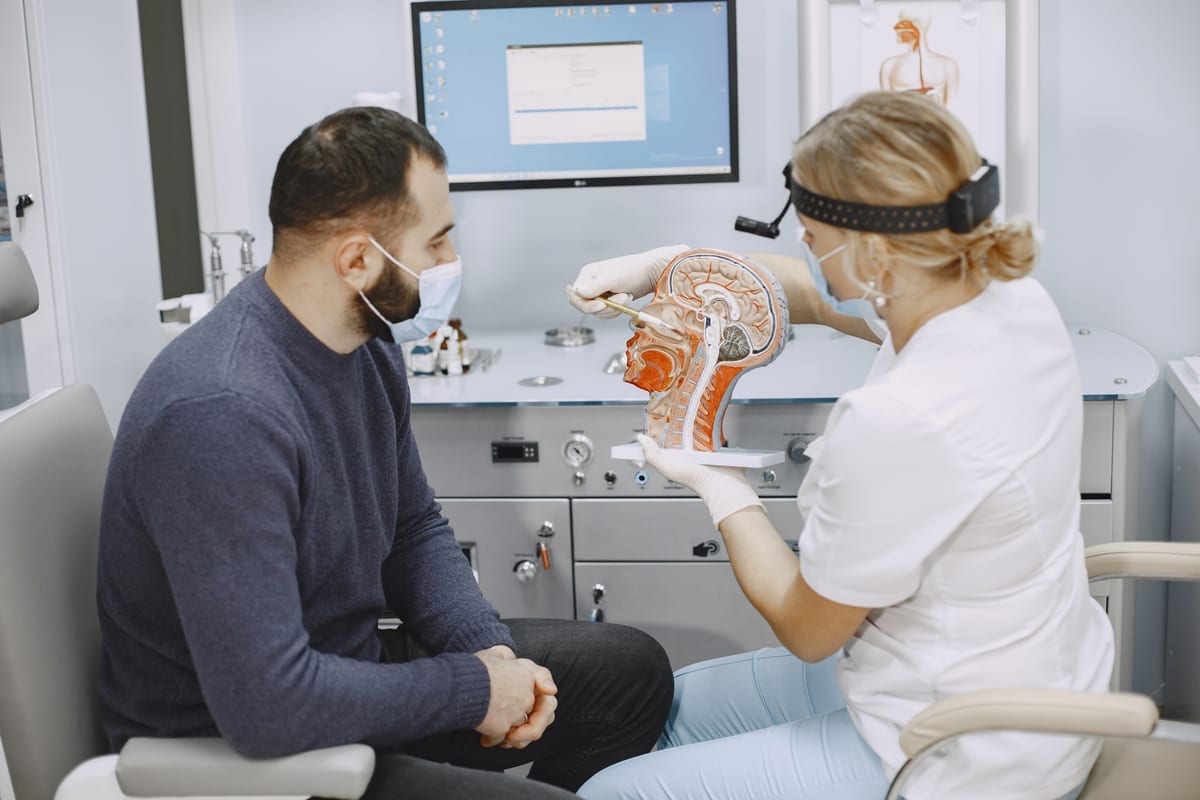
If your jaw clicks, aches, or locks up, you may be wondering what happens during a TMJ diagnosis appointment in Spokane Valley. Many patients feel unsure about what to expect. The good news is that a TMJ evaluation is thorough, straightforward, and not uncomfortable. Dr. Stephanie Herrala at Dr. C Family Dentistry guides patients through every step with care and clarity.
TMJ stands for temporomandibular joint. This joint connects your jaw to your skull and controls chewing, speaking, and yawning. When it malfunctions, the pain can radiate to your head, neck, and ears. Getting an accurate diagnosis is the first and most important step toward relief.
What to Expect at Your First TMJ Appointment in Spokane Valley
Your first visit starts with a detailed health history review. Dr. Herrala will ask about your symptoms, when they started, and how they affect daily life. She will also ask about stress levels, sleep habits, and any past dental trauma. This background helps shape the entire evaluation.
Next comes a physical examination of your jaw. Dr. Herrala will gently press on key areas around the joint and surrounding muscles. She checks for tenderness, swelling, and restricted movement. This hands-on assessment reveals a great deal about what may be causing your discomfort.
You will also be asked to open and close your mouth several times. Dr. Herrala listens for clicking or popping sounds. She measures how wide you can open your mouth and whether your jaw deviates to one side. These observations are all part of a thorough TMJ diagnosis appointment in Spokane Valley.
How Bite Analysis Plays a Role in TMJ Diagnosis
Your bite is a major piece of the diagnostic puzzle. Dr. Herrala evaluates how your upper and lower teeth come together. A misaligned bite can place uneven stress on the TMJ and surrounding muscles. Over time, this imbalance often contributes to joint pain and headaches.
Bite analysis may involve special paper that marks where your teeth make contact. Dr. Herrala studies these contact points carefully. She also looks at the wear patterns on your teeth. Uneven wear is a strong indicator of long-term bite problems or teeth grinding.
- Checking how teeth contact each other during biting
- Identifying wear patterns linked to grinding or clenching
- Measuring jaw alignment during rest and movement
- Noting any asymmetry in how the jaw opens and closes
This step helps determine whether your TMJ symptoms stem from a structural issue, a muscle problem, or both. It also guides treatment planning so the solution fits your specific situation.
Imaging and Diagnostic Tools Used During the Evaluation
Clinical exams alone do not always tell the full story. Imaging gives Dr. Herrala a closer look at the joint structure itself. X-rays are commonly used to evaluate the bones of the jaw and surrounding areas. They help rule out arthritis or bone deterioration as contributing factors.
In some cases, a cone beam CT scan may be recommended. This imaging captures a three-dimensional view of the joint. It shows bone density, joint spacing, and structural abnormalities in detail. This level of clarity supports more precise and confident diagnoses.
Digital imaging also helps track changes over time. If treatment is needed and later adjusted, updated scans provide comparison points. This is especially useful for patients with more complex or long-standing TMJ issues. At Dr. C Family Dentistry, technology supports better care outcomes.
- Standard dental X-rays to assess bone structure
- Cone beam CT for three-dimensional joint visualization
- Digital bite records for precision analysis
- Photographic records to document jaw position and symmetry
What Happens After the TMJ Diagnosis Is Complete
Once the evaluation is finished, Dr. Herrala will discuss her findings with you clearly. She explains what she found and what it means in plain language. You will understand whether your symptoms come from the joint, the muscles, or your bite. No jargon, no confusion.
If treatment is recommended, she will walk you through your options. TMJ treatment may include a custom night guard, physical therapy referrals, or bite correction. In some cases, more advanced care is needed. Dr. Herrala tailors every plan to the individual patient.
Some patients need additional dental work to address underlying causes. For example, missing teeth can shift bite alignment over time. Restorative options like dental implants may be discussed. In certain situations, procedures such as Bone Grafting Spokane Valley may be part of a broader treatment conversation.
Patients who are managing costs for ongoing dental care may also want to explore Dental Discount Plans Spokane South Hill Spokane Valley to help make comprehensive treatment more accessible. Dr. Herrala and her team are committed to helping patients find practical solutions. Your comfort and long-term health always come first.
Why Early TMJ Diagnosis Matters for Long-Term Health
Delaying a TMJ evaluation often allows symptoms to worsen. What starts as mild jaw soreness can progress to chronic headaches or difficulty chewing. Early diagnosis gives patients a head start on treatment. It also prevents secondary problems from developing.
An accurate diagnosis protects your teeth too. Grinding and clenching associated with TMJ disorders wear enamel down significantly. Over time, this increases the risk of fractures and decay. Catching the problem early preserves more of your natural tooth structure.
TMJ issues also affect sleep quality and overall wellbeing. Many patients report better sleep and less daily pain after starting treatment. Understanding the root cause through proper diagnosis makes all the difference. Dr. Herrala takes every patient’s symptoms seriously, no matter how mild they may seem at first.
Conclusion
Understanding what happens during a TMJ diagnosis appointment in Spokane Valley helps reduce anxiety and encourages patients to seek care sooner. Dr. Stephanie Herrala at Dr. C Family Dentistry provides compassionate, thorough evaluations. She uses clinical exams, bite analysis, and advanced imaging to build a complete picture of your jaw health. You leave the appointment with answers — not more questions. Book Now to schedule your appointment with our team.
Frequently Asked Questions
How long does a TMJ diagnosis appointment typically take?
Most TMJ evaluations at Dr. C Family Dentistry take between 45 minutes and one hour. The time includes your health history review, physical examination, bite analysis, and any imaging needed. Dr. Herrala takes time to explain findings before you leave.
Is a TMJ diagnosis appointment painful?
The evaluation is generally not painful. Dr. Herrala uses gentle pressure during the physical exam. If certain areas are tender, she will work carefully around them. The goal is to gather information, not cause discomfort.
Do I need a referral to see Dr. Herrala for TMJ symptoms?
No referral is required. You can contact Dr. C Family Dentistry directly to schedule a TMJ evaluation. Dr. Herrala welcomes new patients experiencing jaw pain, clicking, headaches, or related symptoms.
What should I bring to my TMJ diagnosis appointment?
Bring a list of your current symptoms and when they started. Note any medications or supplements you take. If you have had prior dental X-rays or jaw imaging, those records can be helpful to share with Dr. Herrala during your visit.
Can TMJ issues be treated after diagnosis?
Yes, most TMJ conditions respond well to treatment. Options vary based on the severity and cause of the problem. Dr. Herrala develops personalized treatment plans that may include oral appliances, bite correction, or other targeted approaches based on your diagnostic findings.