Crown Fell Out in Spokane Valley, WA


Your crown just fell out—here’s what to do right now in Spokane Valley before panic sets in. This happens more often than you might think. A dental crown can loosen after years of wear, a sticky food mishap, or even overnight. Acting quickly and correctly makes a real difference in protecting your tooth.
Dr. Stephanie Herrala and the team at Dr. C Family Dentistry see situations like this regularly. The good news is that a dislodged crown is manageable with the right steps. This guide walks you through exactly what to do—and what not to do—until you reach our Spokane Valley office.
Why Crowns Fall Out in Spokane Valley Patients
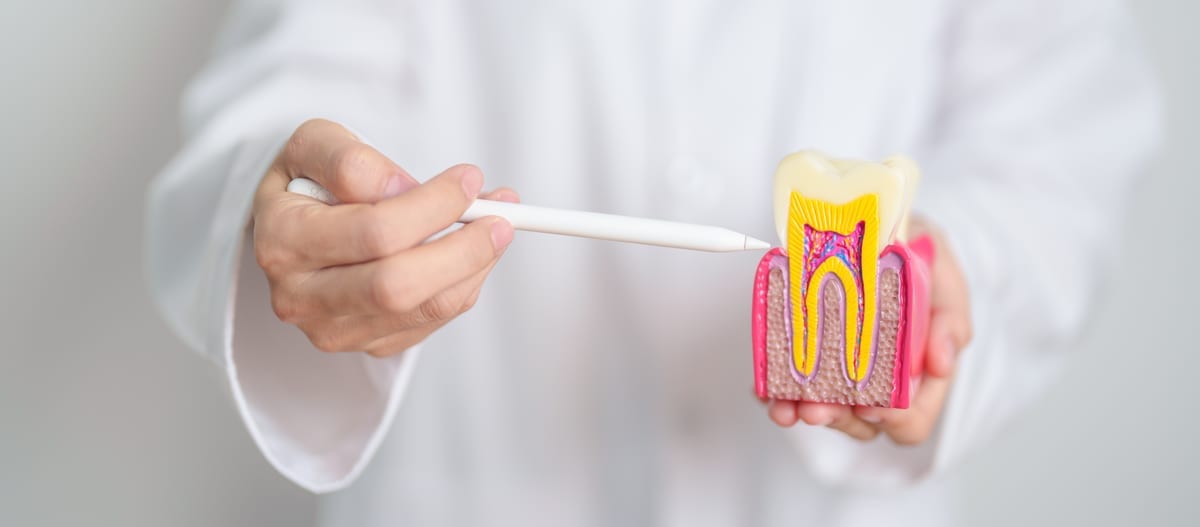
Understanding the cause helps you stay calm and informed. Most crowns fall out because the dental cement holding them weakens over time. Chewing hard or sticky foods can also break the bond. In some cases, tooth decay underneath the crown erodes the support structure entirely.
Teeth grinding is another common culprit. Grinding puts enormous pressure on crowns and can eventually dislodge them. If you grind at night, your crown may loosen gradually before it finally comes out. Whatever the cause, the exposed tooth underneath needs protection as soon as possible.
Common reasons crowns come loose include:
- Weakened dental cement from age or moisture exposure
- Chewing hard candy, ice, or sticky foods like caramel
- Tooth decay developing under the crown
- Teeth grinding or clenching (bruxism)
- Trauma or a blow to the mouth
- Ill-fitting crown from previous dental work
What to Do Right Now If Your Crown Falls Out
First, stay calm and find the crown if you can. Rinse it gently with warm water. Do not scrub it or use any cleaning chemicals. Keep it in a safe container—a small zip-lock bag or a clean pill case works well.
Next, examine your tooth carefully in a mirror. The exposed tooth may feel sharp, sensitive, or tender. Rinse your mouth with warm saltwater to reduce bacteria and soothe the area. Avoid hot, cold, or sugary foods and drinks until the tooth is protected.
If you need a temporary fix before your appointment, dental cement is available at most pharmacies. Products like Dentemp can hold the crown in place temporarily. Apply it carefully following the package instructions. Never use super glue or household adhesives on dental work.
Here is your immediate action checklist:
- Locate and rinse the crown with warm water
- Rinse your mouth with warm saltwater
- Try to gently seat the crown back onto the tooth using dental cement
- Avoid chewing on that side of your mouth
- Call Dr. C Family Dentistry in Spokane Valley to schedule an emergency visit
- Store the crown safely if you cannot reattach it
What Makes a Lost Crown Worse—Avoid These Mistakes
Certain actions can turn a manageable situation into a serious dental problem. Do not attempt to permanently re-cement the crown yourself. Over-the-counter cement is only a temporary measure. Using too much or applying it incorrectly can make professional re-cementation harder.
Never bite down hard on the exposed tooth. The underlying tooth structure is vulnerable without the crown protecting it. Cracking or fracturing that tooth could require more extensive treatment down the road. Treat it gently until you see Dr. Herrala.
Skipping your dental appointment is the biggest mistake patients make. Some people feel fine after a crown falls out and put off calling. But the exposed tooth is at immediate risk for decay, sensitivity, and fracture. A same-day or next-day visit is strongly recommended whenever possible.
Also avoid very hot or cold foods and beverages. Without the crown, the nerve inside the tooth is much closer to the surface. Temperature sensitivity can become extreme and painful very quickly.
What to Expect at Your Emergency Dental Visit in Spokane Valley
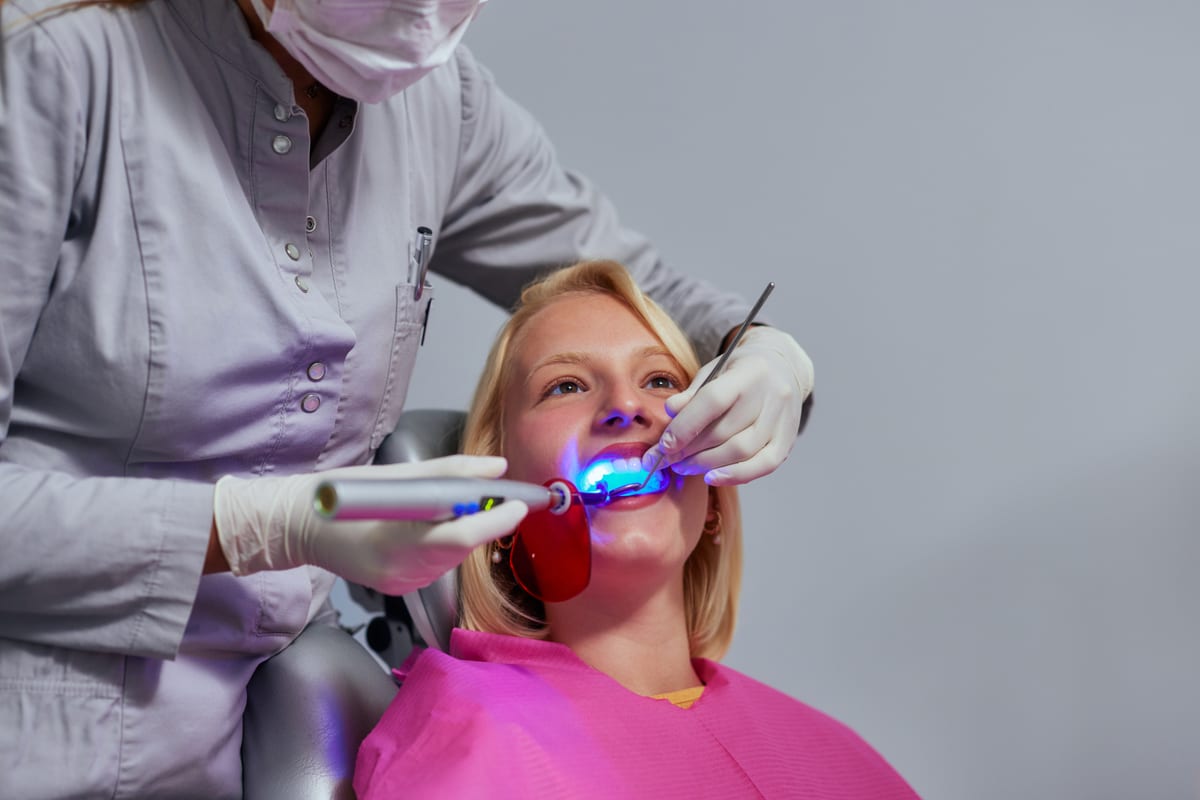
When you arrive at Dr. C Family Dentistry, Dr. Herrala will examine both the crown and the tooth underneath. She will check for any decay or damage that may have contributed to the crown coming loose. X-rays may be taken to assess the tooth root and surrounding bone.
If the crown is still in good condition and the tooth is healthy, she can often re-cement it the same day. This is a quick, comfortable procedure. You will leave with a fully restored tooth and clear aftercare instructions.
Sometimes the tooth underneath has decay or structural damage. In those cases, Dr. Herrala may need to address those issues before placing a new crown. She will explain every step clearly so you understand your options. Patient comfort and transparency are priorities at every visit.
For patients who feel anxious about emergency dental visits, our practice offers Sedation Dentistry to help you stay relaxed throughout your appointment. This is especially helpful when unexpected dental situations feel overwhelming. You deserve calm, comfortable care—even in an emergency.
When More Treatment May Be Needed
Sometimes a fallen crown reveals deeper issues that need attention. If the tooth beneath has significant decay, a root canal may be necessary before a new crown is placed. Dr. Herrala will never recommend treatment you do not need. Every recommendation is based on your specific clinical situation.
In rare cases where the tooth cannot be saved, extraction followed by a dental implant may be the best long-term solution. Implants replace the tooth root and provide a stable, permanent foundation. Some cases may also require Bone Grafting to rebuild the jawbone before an implant can be placed. Dr. Herrala will walk you through every option at your consultation.
The important thing is not to wait. The longer a tooth goes unprotected, the greater the risk of complications. Early treatment almost always means simpler, less costly care.
Conclusion: You Are Closer to Relief Than You Think
Losing a crown is stressful, but it is very treatable. The key is acting quickly, protecting the tooth, and getting to a trusted Spokane Valley dentist as soon as possible. Dr. Stephanie Herrala and the Dr. C Family Dentistry team are here to help you through every step. Book Now to schedule your appointment with our team.
Frequently Asked Questions
Can I put my crown back on myself at home?
You can use over-the-counter dental cement to temporarily reattach a crown until you see your dentist. Products like Dentemp are available at most pharmacies. This is only a short-term fix—never use super glue or household adhesives. See Dr. Herrala as soon as possible for a permanent solution.
Does a fallen crown count as a dental emergency?
Yes, a dislodged crown is considered a dental emergency. The exposed tooth is vulnerable to decay, sensitivity, and fracture without the crown’s protection. You should contact Dr. C Family Dentistry in Spokane Valley promptly to arrange an urgent appointment. Same-day visits are often available for situations like this.
Will the procedure to re-cement a crown hurt?
Re-cementing a crown is generally a quick and comfortable procedure. If the tooth underneath is sensitive or inflamed, Dr. Herrala will use local anesthetic to keep you comfortable. Patients who feel anxious can also discuss sedation options before the appointment. Most patients are surprised by how easy the process is.
What if I swallowed my crown accidentally?
Swallowing a dental crown is more common than you might expect and is usually not a medical emergency. The crown will typically pass through your system naturally. However, you should still call your dentist right away, as a new crown will need to be made. Monitor for any discomfort and consult a physician if you have concerns.
How long does a dental crown last, and can I prevent this from happening again?
Most dental crowns last between 10 and 15 years with proper care. Avoiding hard and sticky foods, wearing a night guard if you grind your teeth, and attending regular dental checkups all extend crown longevity. Dr. Herrala can evaluate your bite and habits to reduce the risk of future dislodgement. Good oral hygiene around the crown margin also helps prevent the decay that can weaken the bond.