TMJ Pain Relief in Spokane Valley, WA


TMJ pain can make every meal, conversation, and morning feel like a struggle. If you live in Spokane Valley and deal with jaw soreness, clicking, or headaches, you are not alone. The good news is that simple daily habits can stop TMJ pain and help you feel better fast. This guide covers practical self-care strategies that actually work — and explains which behaviors make things worse.
Understanding TMJ Pain and Why Daily Habits Matter in Spokane Valley
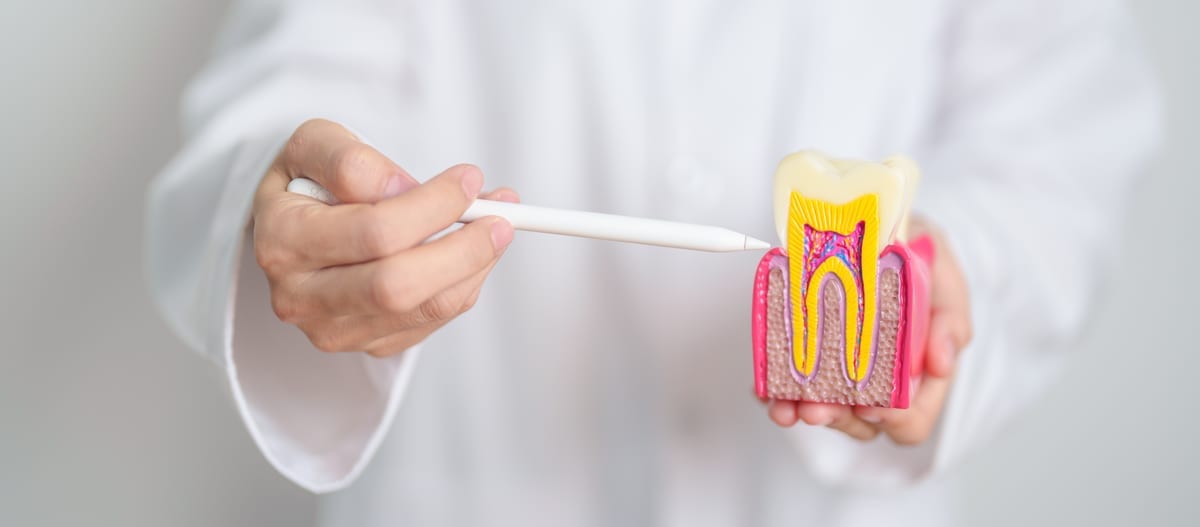
TMJ stands for temporomandibular joint — the hinge that connects your jaw to your skull. When this joint becomes inflamed or misaligned, it causes pain, stiffness, and clicking sounds. Many Spokane Valley patients describe it as a dull ache that spreads into the neck and temples.
Daily habits play a huge role in how severe your symptoms become. Stress, posture, diet, and sleep position all affect your jaw. The right routine can reduce inflammation and allow the joint to heal naturally.
Understanding your triggers is the first step. Once you identify what aggravates your jaw, you can make targeted changes that deliver real relief.
Jaw Exercises and Physical Techniques That Reduce TMJ Pain
Gentle jaw exercises help stretch tight muscles and restore normal movement. Perform these exercises slowly and stop immediately if they cause sharp pain.
- Chin tucks: Pull your chin straight back, hold for five seconds, repeat ten times.
- Resisted mouth opening: Place a thumb under your chin and gently open your mouth against light resistance.
- Side-to-side jaw stretch: Move your jaw slowly from left to right to improve range of motion.
- Tongue-to-roof stretch: Press your tongue to the roof of your mouth while slowly opening and closing your jaw.
Perform these exercises twice daily — once in the morning and once before bed. Consistency matters more than intensity. Over time, they help retrain the jaw muscles to function without strain.
Heat and cold therapy also provide relief. Apply a warm compress to your jaw for 10 minutes to relax tight muscles. Follow with a cold pack to reduce any swelling. Alternating both methods works especially well after stressful days.
Stop TMJ Pain With Smarter Dietary Choices in Spokane Valley
What you eat has a direct impact on TMJ pain. Hard, crunchy, or chewy foods force your jaw to work overtime. This increases inflammation and wears down the joint over time.
Foods to avoid during a TMJ flare-up include:
- Chewy bagels, tough meats, and jerky
- Hard candies, nuts, and raw carrots
- Crunchy chips and hard crackers
- Large sandwiches that require wide mouth opening
- Chewing gum — even sugar-free varieties
Instead, choose soft foods that require minimal chewing. Think yogurt, scrambled eggs, mashed potatoes, smoothies, and cooked vegetables. These choices give your jaw time to rest and recover.
Cut food into small pieces before eating. Avoid biting into large items whole. Small adjustments to how you eat can make a big difference in daily pain levels.
Stress Management Strategies That Directly Calm TMJ Symptoms
Stress is one of the most common TMJ triggers. When you feel anxious or tense, you often clench your jaw without realizing it. This constant muscle tension builds up over hours and causes significant pain.
Here are proven stress management techniques that help stop TMJ pain:
Mindful breathing: Take five slow, deep breaths when you notice tension building. Focus on relaxing your jaw with each exhale. Many Spokane Valley patients find this works well during commutes or work breaks.
Body scanning: Set a timer throughout the day. Check whether your teeth are clenched or your jaw is tight. Consciously relax your jaw so your lips touch but your teeth stay apart.
Regular physical activity: Walking, yoga, and swimming reduce cortisol levels in the body. Lower cortisol means less muscle tension and fewer TMJ flare-ups.
Sleep position also matters. Sleeping on your back reduces pressure on the jaw joint. Avoid sleeping on your stomach with your face pressed into a pillow. A supportive cervical pillow helps keep your neck and jaw properly aligned through the night.
Habits That Make TMJ Pain Worse — Stop These Now
Knowing what to avoid is just as important as knowing what to do. Several everyday behaviors silently worsen TMJ pain over time.
Nail biting and pen chewing put uneven stress on the jaw joint. These nervous habits are common but destructive. Replace them with a stress ball or deep breathing when you feel the urge.
Resting your chin in your hand pushes the jaw out of alignment. This habit often happens while working at a desk or watching TV. Place your hands flat on your desk instead.
Talking on the phone by tilting your head to hold it between your ear and shoulder creates neck and jaw strain. Use a headset or speakerphone instead. This one change protects both your TMJ and your cervical spine.
Teeth grinding at night — called bruxism — causes significant overnight damage. A custom night guard from Dr. Stephanie Herrala can protect your teeth and reduce morning jaw pain. This is a simple, non-invasive solution that many Spokane Valley patients rely on.
When Self-Care Is Not Enough — Getting Professional TMJ Help
Daily habits can reduce TMJ pain significantly. But sometimes professional treatment is necessary for lasting relief. If your pain persists for more than a few weeks, it is time to see a dentist.
Dr. Stephanie Herrala at Dr. C Family Dentistry in Spokane Valley offers comprehensive TMJ treatment options. These include custom oral appliances, bite adjustments, and referrals to specialists when needed. For patients with dental anxiety, Sedation Dentistry is available to make your visit comfortable and stress-free.
In some cases, TMJ issues connect to broader oral health concerns. Patients who need tooth replacement after jaw-related damage may also benefit from restorative options. Supporting bone health through services like Bone Grafting can play an important role in long-term jaw stability.
Getting a professional evaluation gives you a clear diagnosis and a personalized treatment plan. Self-care works best when it supports — not replaces — expert dental care.
Your Path to TMJ Relief Starts Today
Stopping TMJ pain takes consistent effort, but the results are worth it. Start with the jaw exercises and dietary changes outlined above. Manage your stress daily and eliminate the habits that aggravate your joint. Small, steady actions lead to meaningful long-term relief.
If you are ready to take the next step toward a pain-free jaw, the team at Dr. C Family Dentistry in Spokane Valley is here to help. Dr. Stephanie Herrala provides compassionate, personalized care for TMJ patients. Book Now to schedule your appointment with our team.
Frequently Asked Questions
What daily habits help stop TMJ pain most effectively?
The most effective daily habits include gentle jaw stretching exercises, applying heat or cold to the jaw, eating soft foods, and practicing stress-reduction techniques. Avoiding gum chewing and hard foods also reduces flare-ups significantly. Consistency with these habits over several weeks delivers the best results.
How long does it take for TMJ self-care to work?
Most patients notice improvement within two to four weeks of consistent self-care. Mild cases may improve faster. Severe or chronic TMJ conditions often require professional treatment alongside daily self-care routines.
Can stress really cause TMJ pain?
Yes. Stress causes involuntary jaw clenching and teeth grinding, which are two of the leading drivers of TMJ pain. Managing stress through breathing exercises, physical activity, and body awareness helps reduce muscle tension in the jaw and surrounding areas.
Is chewing gum bad for TMJ?
Yes. Chewing gum keeps the jaw in constant motion and increases fatigue in the jaw muscles. Even sugar-free gum can worsen TMJ symptoms. Dentists recommend avoiding gum entirely during any period of TMJ pain or inflammation.
When should I see a dentist for TMJ pain in Spokane Valley?
You should see a dentist if your jaw pain persists beyond two to three weeks, if you hear frequent clicking or popping, or if you experience difficulty opening and closing your mouth. Dr. Stephanie Herrala at Dr. C Family Dentistry in Spokane Valley can evaluate your symptoms and recommend the right treatment approach for lasting relief.